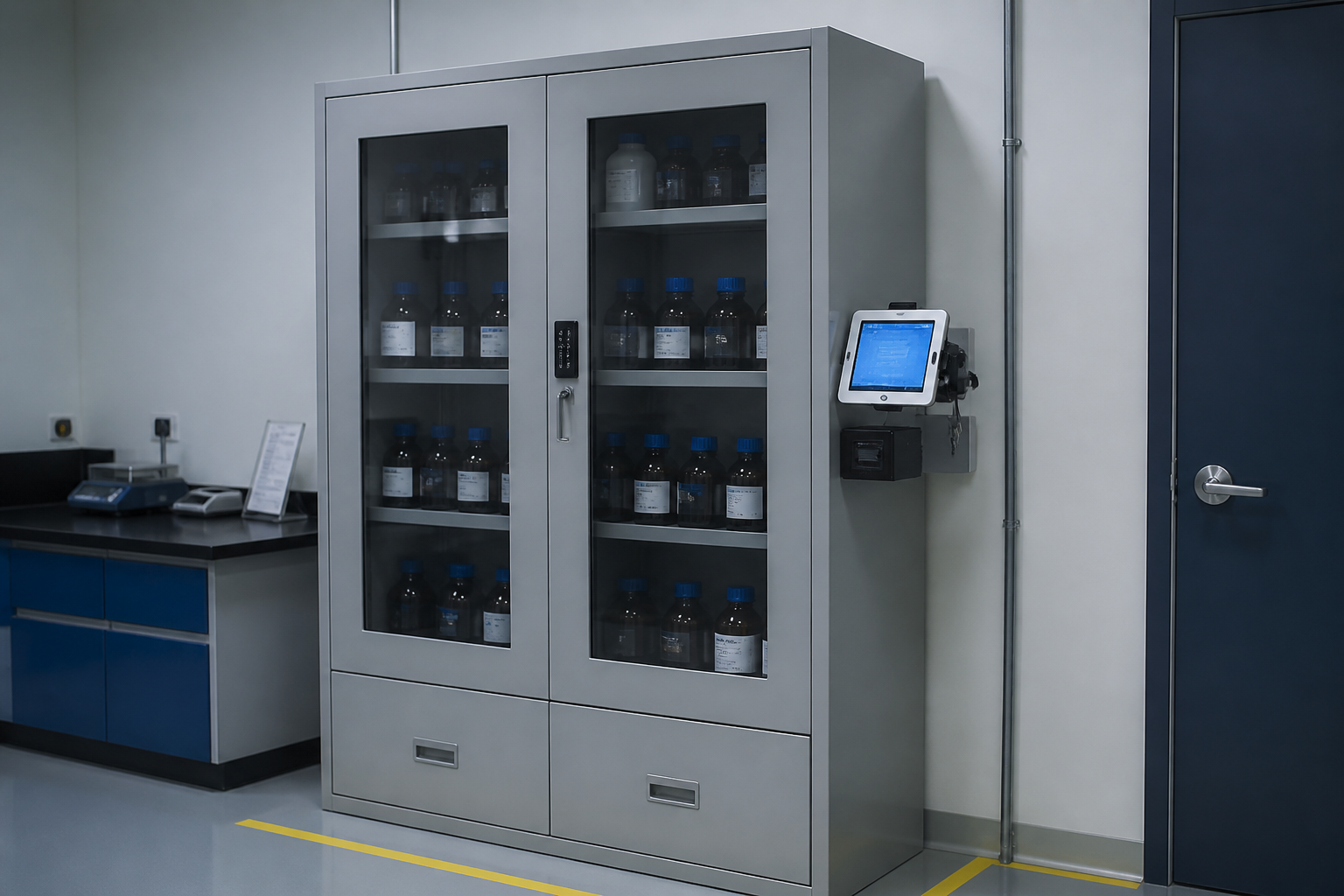
Boilers, pressure vessels, forklifts, and chemical cabinets matter—yet daily life stays on notebooks: inspection checkmarks, issue signatures, certificates in drawers. Audit teams trigger overnight photo uploads; after they leave, notebooks return. After incidents, no one can say who last inspected, where chemicals were, or whether expired certificates were still in use.
EHS ledgers must enter the system. Paper satisfies inspection cameras, not traceability and time.
Three Blind Spots of Paper Ledgers
Expiry does not alarm. Certificates, periodic inspections, and PPE validity on paper are found only when someone looks. Inspections can be backfilled—not whether equipment was actually stopped for check. Chemical issue logged by quantity alone, without destination, drifts until inventory counts—then it is too late to explain.
After role rotation, notebook "unwritten rules" vanish. New staff neither touch cabinets nor report expiry—risk stacks in silence.

What the System Must Block
- Remind before certificate and inspection expiry; expired equipment cannot be dispatched; expired chemicals cannot be issued.
- Inspection items bound to equipment; missing items block submit; backfill requires documented reason.
- Chemical issue records purpose, destination, and remainder; over-limit escalates to EHS owner.
- Audit materials export timelines from the system—no separate tables built for inspections.
The XYN digital intelligence system can make equipment, certificates, and issue configurable EHS ledgers. Ledgers in the system are prerequisite for talking about less-staff manufacturing. Fewer people means you cannot manage hazards by memory.