Ten suburban suppliers each send one truck daily—dock queues, freight priced per trip. The instinct is more trucks and more unloaders. Milk-run reverses it: one route hits multiple suppliers on fixed windows for small lots—load factor rises, line-side inventory falls. Cost drops from route and window design, not vehicle count. Bad routes turn milk-run into complex waiting.
Start with stable, nearby suppliers whose packaging can mix—run the loop smoothly, then increase frequency.
Windows Matter More Than Fleet Size
Each supplier gets a fixed pickup window and standard containers. Late prep misses the truck—no return trips; cost hits supplier KPIs. Routes account for traffic and unload rhythm; reserve exception runs instead of default extra trucks. Return legs carry empty containers and returns—containers loop too.
- When volume spikes, switch to direct delivery—rules written so loops do not burst.
- Scan at pickup to supplier and batch; scan again at plant—in-transit visible.
- Settle freight by loop—incentivize full loads, not per-trip runs.
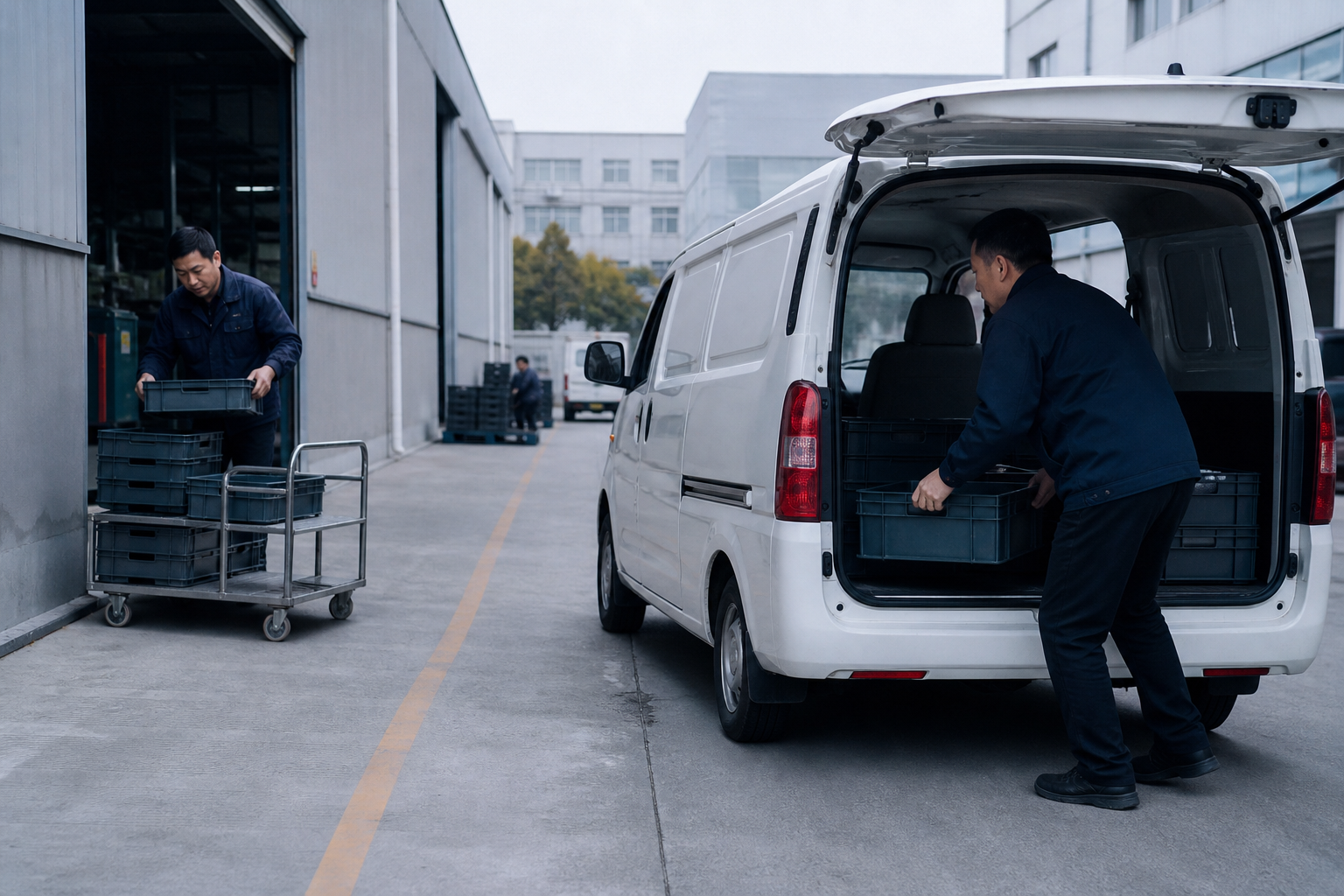
Design First, Vehicles Second
The XYN digital intelligence system links pickup windows, containers, and arrival scans to work-order material demand—milk-run aligns with production takt. Extra trucks hide lazy design; bills disagree honestly. Draw loops and windows first, then decide fleet size.
Simulate one week of volume on a loop—load factor and wait time. If simulation does not save money, do not call it milk-run—that only adds another dispatch layer.