2026 trade shows still pitch cognition, digital twins, autonomous scheduling. Common factory failure: work order status wrong, reporting late, device signals intermittent—yet they want "self-thinking lines." Trend judgment should reverse: before cognitive autonomy, stabilize execution—closed work order loops, correct material deduction, quality tied to batches, devices with trustworthy timestamps. Stable execution gives autonomy something to act on; unstable execution accelerates chaos.
Visitors watch robots. Acceptance should ask whether execution ran two straight weeks without WeChat corrections.
Four Execution Foundations
Work orders trustworthy from release to close; inventory transactions sync with physical; defects bound to batches; key equipment connectivity meets threshold. Missing any one—do not enable autonomous scheduling. The gap becomes hallucinated input for autonomous decisions.
- Fix collection and reporting discipline before buying optimizers.
- Autonomous features off by default; open by cell with rollback.
- Day and night shifts see the same execution facts—no verbal patch layers.
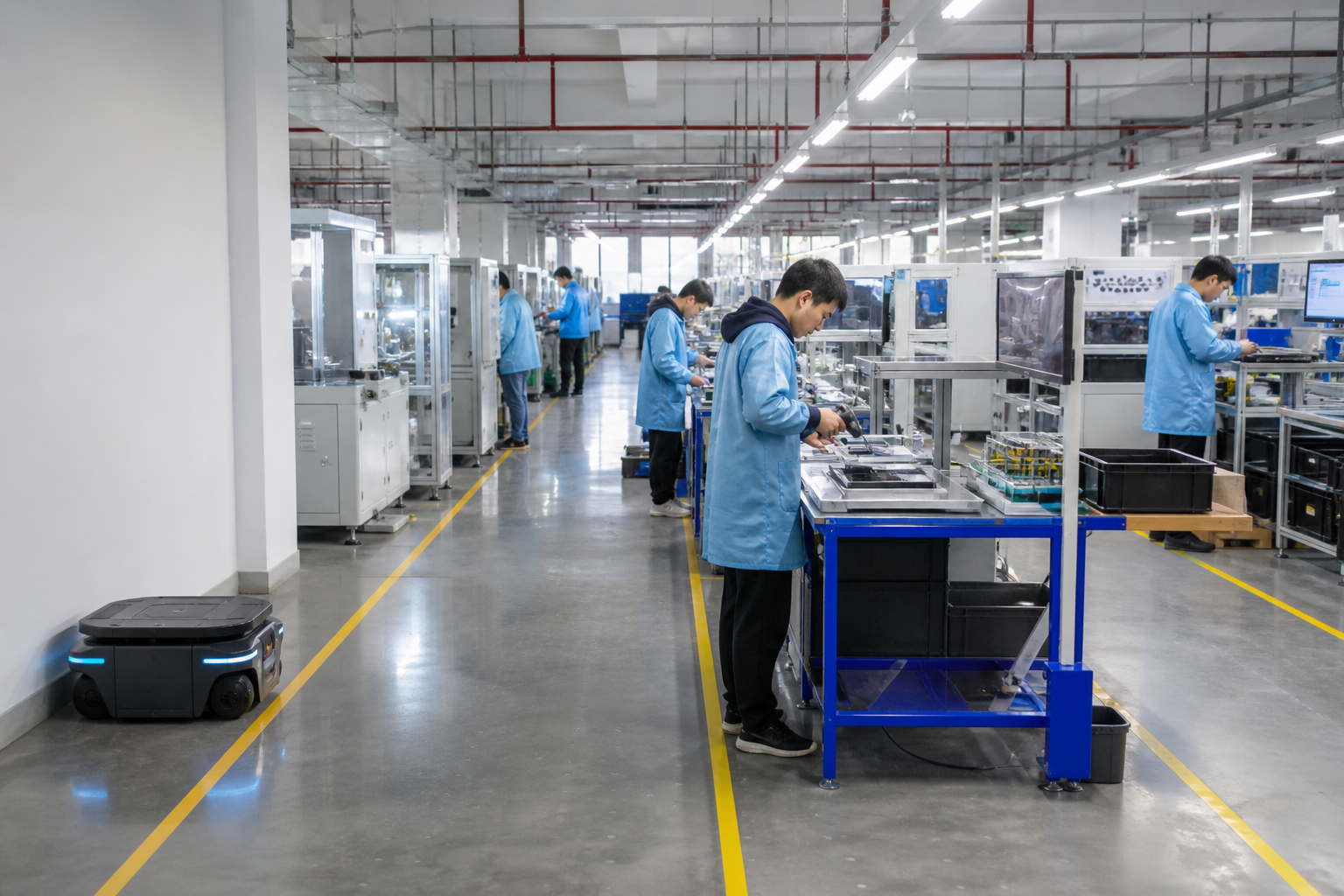
Stable First, Then Cognition
Parameter suggestions and QC pre-screen can stack on stable execution. The XYN digital intelligence system aligns work orders, inventory, and quality records first—intelligence modules after. Leading 2026 plants are often not the first to announce autonomy—they are the ones whose execution is so boring they rarely meet to fix numbers.
Put "continuous production, books match physical" as manufacturing digitalization goal one. Pass goal one before cognition appears in goal two.