The CFO at headquarters asked: “Why do both sides…?”Revenue and costs don’t match.?」The IT department’s response was: each of the two companies uses its own Excel-based customer coding system, internal transactions lack a unified pricing structure, and approvals are still conducted within WeChat groups of different entities—Multi-entity groupOnce a company enters the growth phase, “each department for itself” will quickly erode the credibility of consolidated financial statements.

First draw the organizational model, then select the system.
Multi-agent systems are at least distinguished as:
- Legal entity: Independent accounting, taxation, and bank accounts.
- Management Organization: Business units, regions, and profit centers—may not align with the legal entity.
- Operational Organization: Factories, warehouses, and sales offices—executive level.
The "Company/Accounting Set" in the system should map to the legal entity; the management organization is used forDimension or organizational treeOverlay, rather than cloning a separate ERP system for each profit center.
Master Data: Who Creates It, Who Uses It, Who Modifies It
Customers, suppliers, materials, and accounts—these four types of master data account for 80% of cross-entity disputes.
- Golden Record: The Group MDM or the headquarters master data team maintains codes and core attributes; subsidiaries can only extend local fields (such as regional sales notes).
- Distribution mechanism: Newly created materials are distributed to each accounting system after approval, preventing the issue of “same name, different codes.”
- Change Audit: Price, credit limit, and tax classification change history; can be explained when performing consolidated report retroactive analysis.
Common mistake: Allowing subsidiaries to freely create new customers without performing duplicate checks, resulting inN codes for the same group customer, CRM statistics are distorted.
Internal Transactions and Transfer Pricing
Cross-entity procurement, allocation, and service settlement must haveInternal Price Listand automatic order‑creation rules. The system should support: when one party ships out, it automatically triggers the associated party to receive the goods pending confirmation, thereby preventing unilateral accounting. Transfer pricing strategies (cost‑plus, market price, negotiated price) must be defined by finance, with IT implementing them as a configurable engine.
Permissions: Data Isolation and Cross-Entity Collaboration
The permission model recommends «Default is invisible; explicit authorization required.」:
- Subsidiary users can by default only view their own legal entity’s data; to view group-level aggregates, they require both a role and a data scope (e.g., a business unit president can view subordinate legal entities).
- Shared functions (group procurement, shared service center) are used byAgency operations: When placing an order on behalf of a certain entity, the audit log records both entities.
- Sensitive fields (group floor price, strategic customer discounts) are desensitized at the field level.
The OA approval workflow must include the “ownership entity” context; otherwise, there is a legal risk that a manager from Company A approves a contract belonging to Company B.
System Implementation: One Set or Multiple Sets
| Model | Advantages | Risk |
|---|---|---|
| Single instance, multiple accounting sets | Unified master data, upgraded once | Configuration is complex, and performance isolation must be properly implemented. |
| Multi-instance + Integration | The subsidiary has strong autonomy. | Master data synchronization and interface costs are high. |
| Hybrid: Centralized core ERP + distributed edge systems | Balance control and flexibility | Boundaries and the source of truth should be documented. |
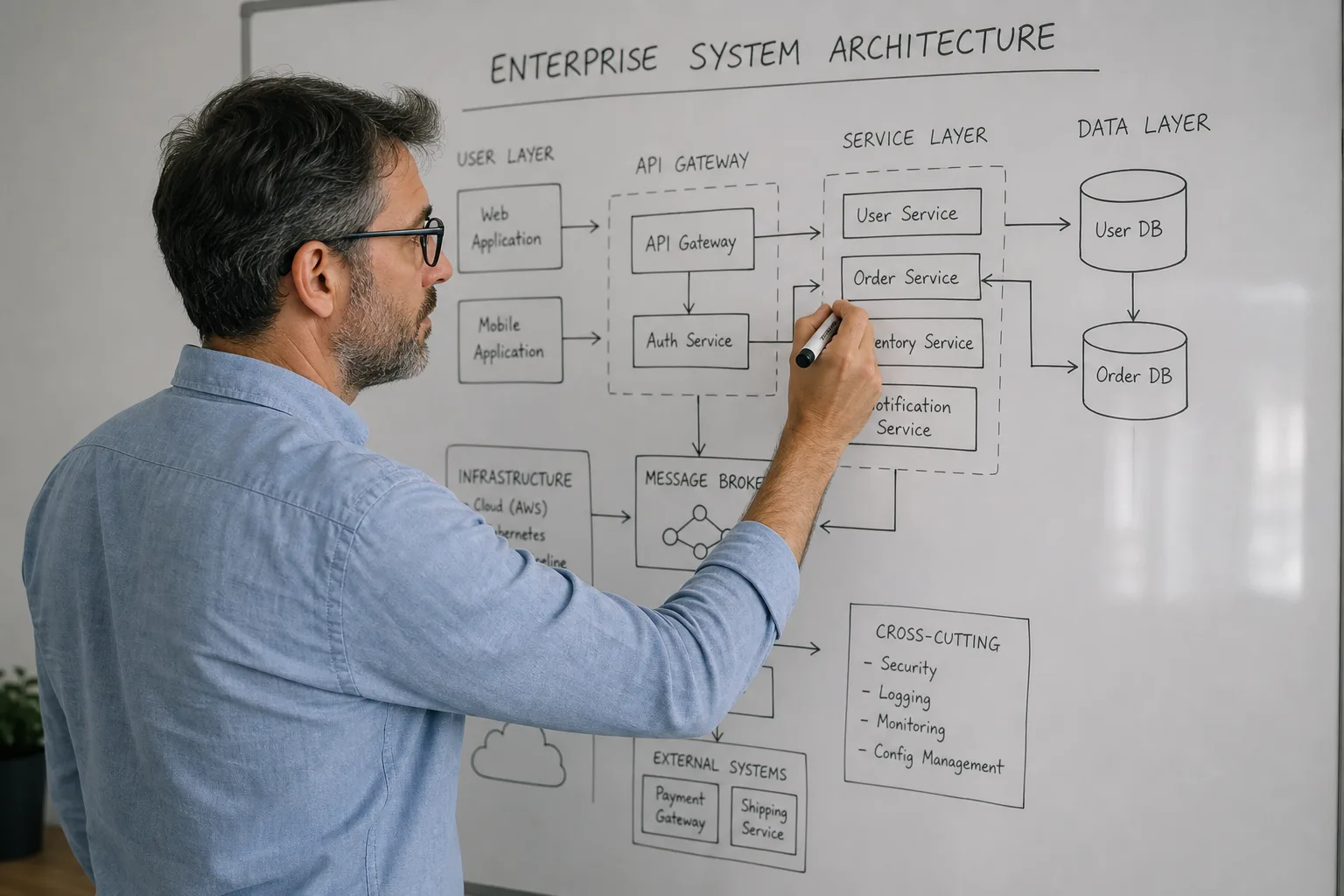
The selection depends on the level of corporate autonomy, industry regulation (such as finance and pharmaceuticals), and IT resources. Regardless of the case,Coding Rules and Interface SpecificationsIt must be unified across the group; otherwise, integration will merely automate chaos.
Implementation Pace and Acceptance
Phase I: Unified customer/supplier master data + internal transaction order creation; Phase II: Alignment of consolidated reporting data sources; Phase III: Cross-entity inventory visibility and transfer optimization. Acceptance criteria examples: Each customer has a unique identifier within the group; cross-entity transfers achieve bilateral posting consistency within 24 hours; permission penetration testing (sub-company accounts cannot access or manipulate data belonging to other legal entities in the group).
Group or multi-legal-entity digitalization projects requireOrganizational model, master data, and permissionsDesign together.Shandong XYN Information Technology Co., Ltd. (XYN Tech / XYN Tech)We have delivered enterprise and multi-organization management systems for government and corporate clients, capable of guiding clients from current-state assessment to phased implementation. For more information, seeXYN Tech About Us, for technical information, seexynadmin News。
Shared Service Center model
The Group’s finance, HR, and procurement shared service center is constantlyHandling documents on behalf of multiple legal entities. The system must support a “current operator” switch, and each document printout and audit log entry must record both the operator, the delegated subject, and the timestamp. The shared center’s performance dashboard should aggregate SLA metrics by entity (payment cycle, procurement cycle) to prevent delays at one subsidiary from being averaged out.
Consolidated Statements and Eliminating Entries
Consolidated reporting is more than just Excel summarization: it must be maintained within the system.Offsetting rules(Internal sales, intercompany transactions, unrealized profits). After each subsidiary closes its books for the same accounting period, the group level automatically generates draft elimination entries, which are posted after financial review. If subsidiaries still use different chart of accounts, a mapping table must be maintained; otherwise, account codes will not match during consolidation.
Overseas subsidiaries and multiple currencies
When there is an overseas legal entity,Functional Currency and Reporting CurrencyIt needs to be separated. Daily bookkeeping should use the local currency, while the group dashboard should use RMB or USD for conversion, with the exchange rate type (end-of-period or average) configured according to the standards. Cross-entity borrowing, dividend distributions, and service fee settlements involve foreign exchange and taxation; the system should retain exchange rate snapshots and conversion vouchers to enable audit reconstruction.
Data residency and compliance: Certain countries require that customer/employee data not leave their borders. When designing a multi-tenant architecture, it is essential to clearly delineateData domain: Which fields can be shared across the group, and which must be stored locally? Interface synchronization performs field-level filtering.
On-site Inspection Checklist
Before project initiation, first answer five questions: Which system holds the true inventory data? Who determines the posting time? Is reservation centralized? Who approves inventory count discrepancies? And how is it integrated with financial vouchers? If you can’t answer these clearly, don’t rush to deploy barcode scanners—hardware will only exacerbate process inefficiencies. During the first week after go-live, conduct daily checks on…Available quantity conservationConduct sampling: randomly select 20 SKUs; system-available quantity = book balance - allocated - frozen, and compare with the on-site physical count.
During acceptance, be sure to useReal business documentsEstablish a closed loop, rather than just having demo accounts click a few times and then sign off. Documenting the “inventory state machine” and the “posting timing” can reduce interdepartmental bickering more effectively than training PPTs.