Pilot success often means "suggestions look right." After launch, call volume rises—bills and review headcount rise together. Nobody allocates tokens, GPU time, and review labor to the scenario. Intelligence looks cheap because cost hides in IT's general ledger. Visible cost decides whether the scenario keeps the model or returns to rules.
ROI is not accuracy over enthusiasm—it is business benefit minus those three costs.
How Invisible Costs Inflate
Prompts grow; whole contracts stuff context—tokens jump orders of magnitude. Review becomes full manual while the model pre-formats—and formatting is expensive. Demo calls are few; production opens to everyone and the cost curve appears—often too late to sunset.
Without scenario-level billing, optimization is "ask less"—not engineering.
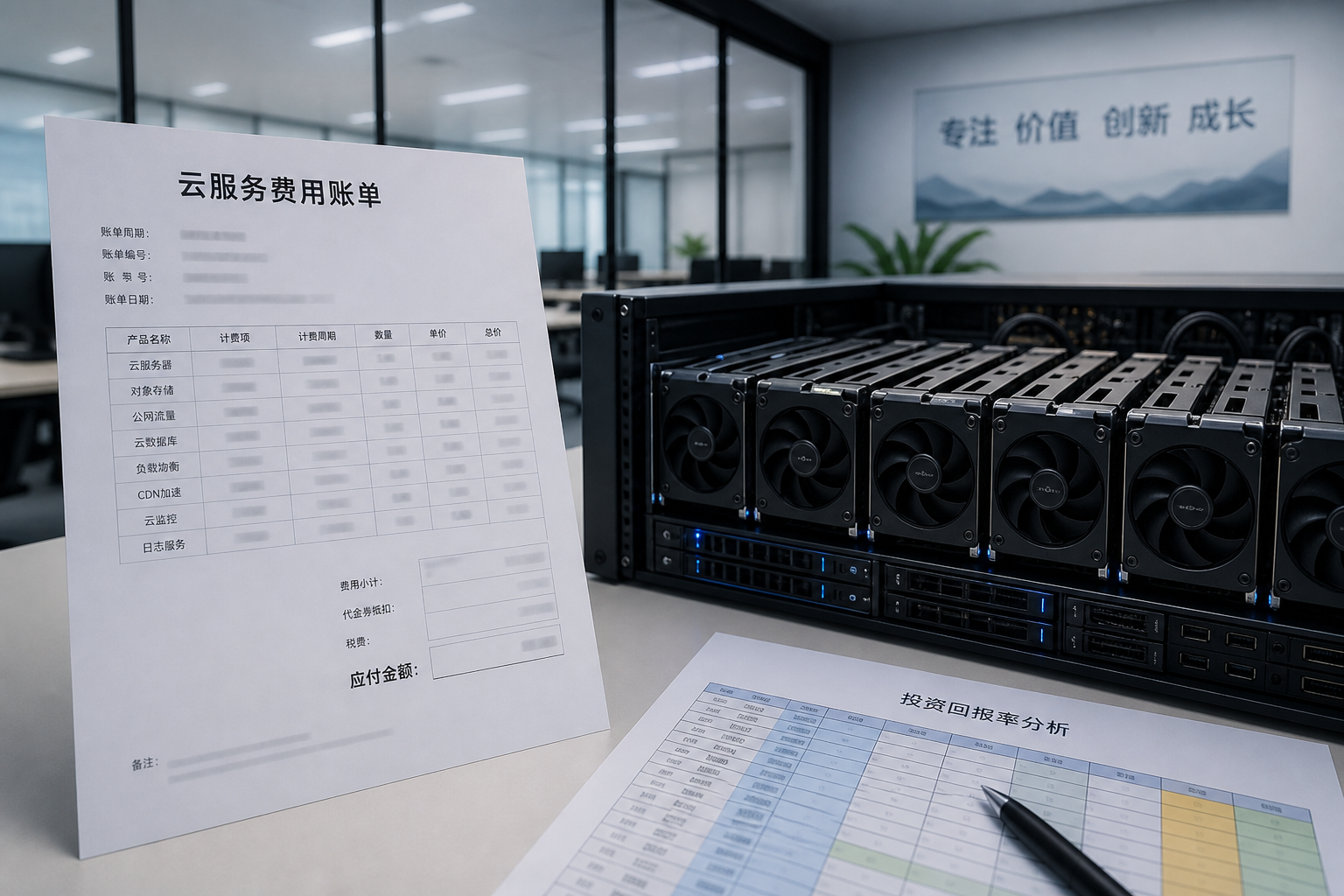
Give Every Scenario a Cost Card
- Log tokens per call, expensive-model flag, human-review trigger.
- Review hours write back to tickets—full-review scenarios cannot claim automation.
- Weekly cost over threshold: shrink scope or switch rules before expanding users.
- Compare rule-engine baseline—models stay only where rules cannot write clearly.
The XYN digital intelligence system hangs AI on nodes—calls can be booked per scenario. Visible cost earns intelligence a business seat. Invisible cost is a self-replicating expense line.