The most common enterprise AI mistake is connecting every table first, then talking about results. Demos look impressive: agents answer any customer's balance due, any contract clause. That also means a normal account and one prompt injection could exfiltrate core assets. Security incidents do not need a clever model—only loose permissions.
Permission design must precede model selection. Who sees detail, who sees only summaries, who can export, who can let agents query on their behalf—all belong on one authorization table.
Detail and Summary Are Different Risks
Summaries show how far collections are off this month; detail shows which customer and contract. Management needs summaries; collections and legal need detail. Defaulting detail to every "data analyst role" treats customer lists as internal newsletters.

Separate Roles for Agents
- Summary read-only: default for business assistants.
- Detail queries: require human confirmation and audit logs.
- Export: separate authorization, off by default.
- Cross-department data: agents must not stitch on their own.
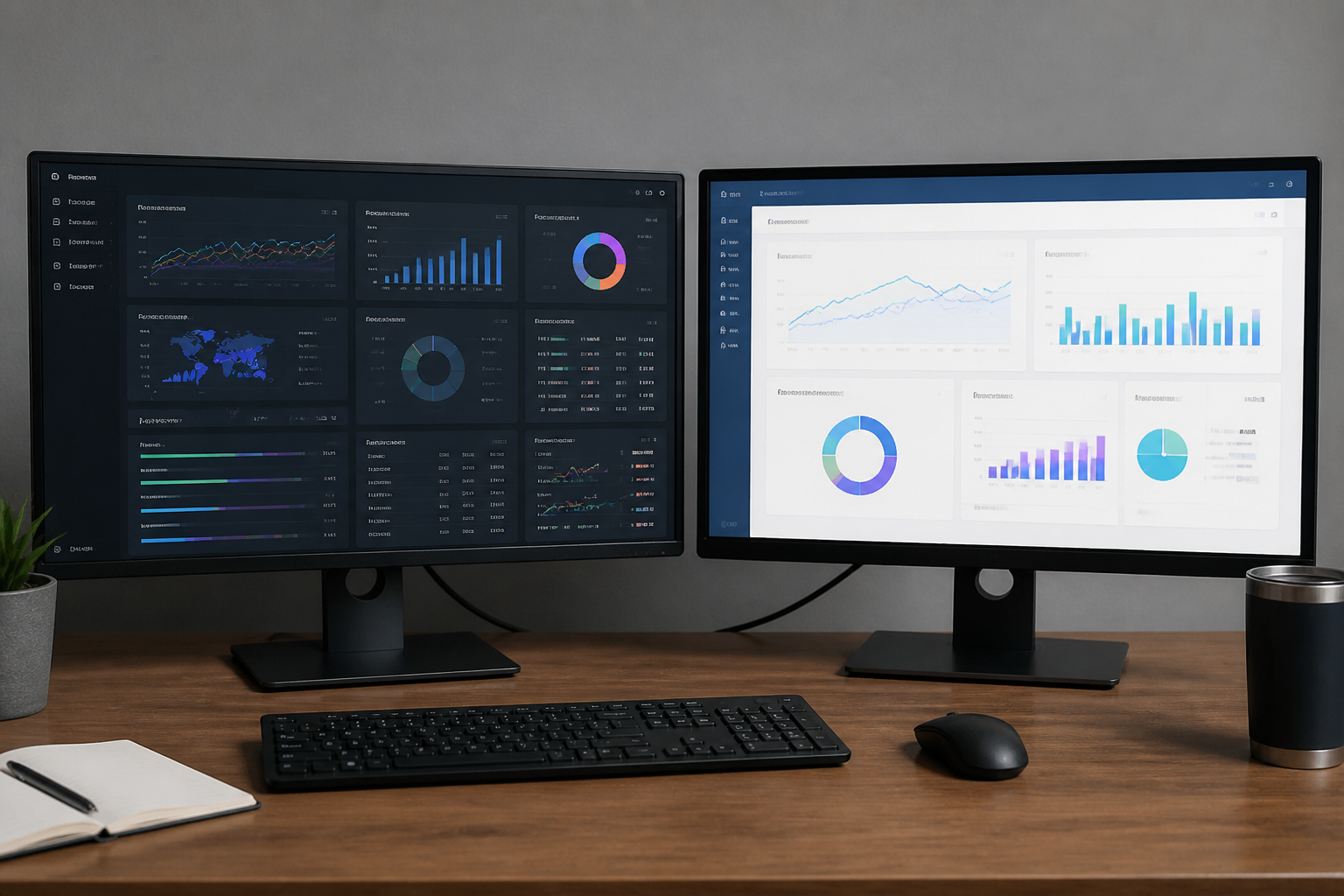
The XYN digital intelligence system places organizational permissions and data access in the same framework as business applications; agents can only call authorized tools. Models will iterate. Leaking detail once is often enough for an enterprise.