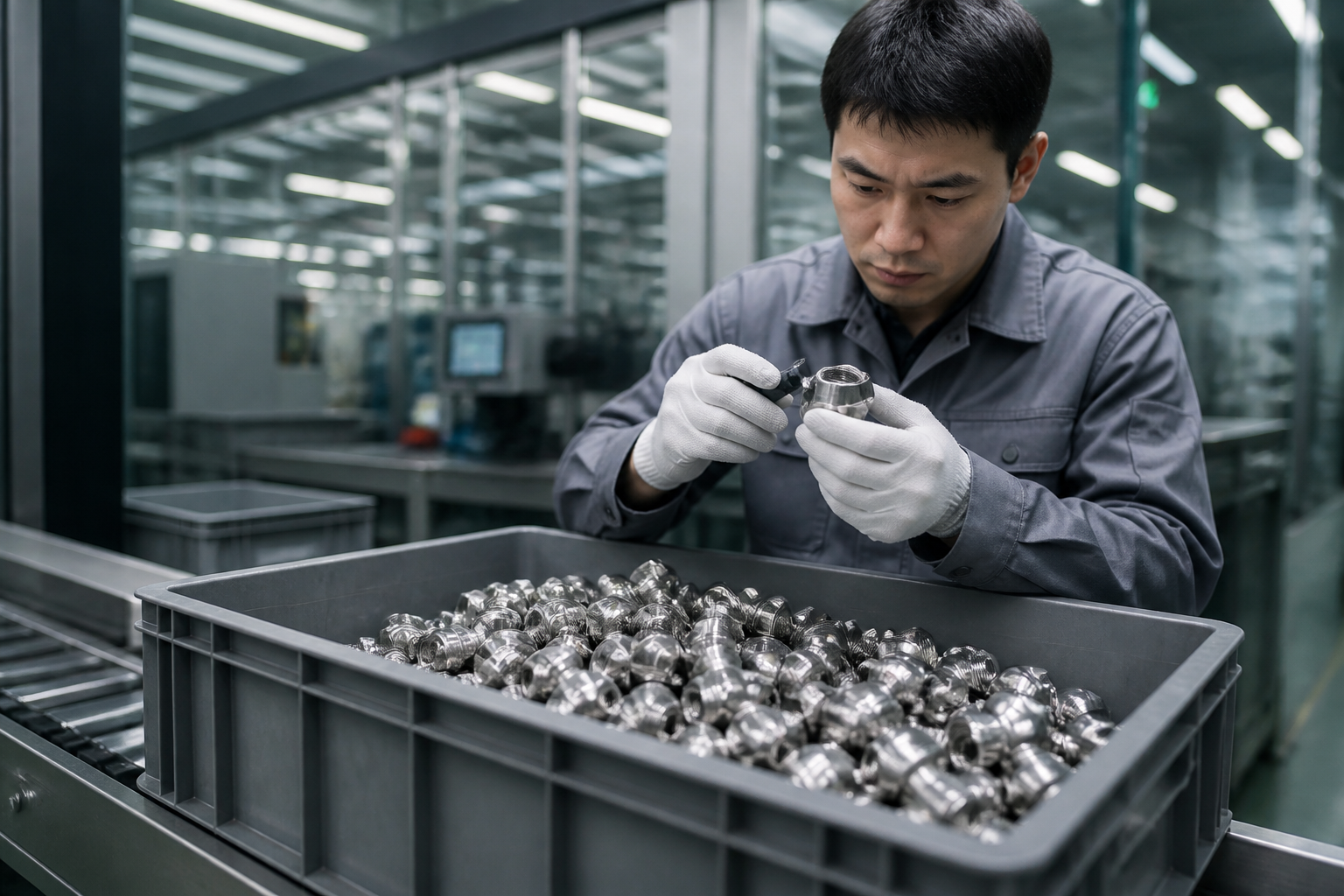
Same-spec material from several suppliers—dumped into one bin after receipt. Easy on the line; when something fails it becomes "this batch" with no address. Merging dilutes traceability into an average. Incoming batches keep identity until a process point allows mixing—and mixing records composition. Minutes saved; one complaint's location cost spent.
Dilution doesn't eliminate. Defects remain—just without a door number.
Separate Until Process Allows
Receipt, inspection, and putaway by original batch. Mixing allowed only where process says so—mixing creates new batch with parent record. Defects stop original batch first—then expand to related mixes.
- Ban convenience merging at receiving.
- Returns by original batch—no estimating from mixed bins.
- Supplier scorecards use original-batch defects—not mixed averages.
Identity Beats Neatness
The XYN digital intelligence system tracks incoming batches to work-order consumption. Smart manufacturing needs identifiable material—not one neat big bin. Neatness after mixing rules is fine; neatness before rules is fake neatness.
Check line-side bins—how many supplier batch numbers? Unmarked bins—stop merging before talking lean feeding.