General trade likes full containers, low frequency, complete documents before move. Cross-border 9610/9710 flip it: fragmented orders, fast ship, heavy returns. Warehouses still bulk-SKU stack; declarations wait until goods are gone—system and customs rhythms misalign. Small-parcel speed isn’t “make the broker faster”—warehouse, documents, and declaration must align same day.
Margin usually dies not on freight but on inspection holds, declaration rejections, and return re-entry mismatches. Each document patch uses labor to offset missing master data at warehouse prep. High frequency amplifies errors instead of diluting them monthly.
Restock by Declarable Unit
Packaging, product name, net weight, and origin must bind to SKU at shelving—not asked from purchasing at pack time. One parcel, one auditable file set. If files aren’t findable in the warehouse, skilled declaration still fails inspection. Cross-border warehouses stacked like domestic wholesale pick fast and declare slow.
Pull abnormal parcels off the main lane. Weight drift, name disputes, restricted/uncertain goods can’t mix into scanned-ready zones—whole shipments stall, not single parcels. Layout should serve declaration, not only shortest pick path.

Front-Load Declaration Nodes
Validate restrictions and category match at order capture—don’t release bad orders to pick. Pick complete generates declaration draft; abnormal parcels don’t hit the belt. Returns get separate ledgers to avoid double declaration and inventory mismatch. Post-hoc filing barely worked in FCL era; in small-parcel it buries CS and customs together.
- Order capture: validate restrictions and categories—failed orders don’t flow downstream.
- After pick: generate declaration draft; isolate parcels missing files on site.
- Returns: separate ledger traceable to first declaration batch.
- Daily clear shipped-not-declared and declared-not-shipped—no month-end pile-up.
9610/9710 compete on node discipline. If the warehouse can’t see it, customs certainly can. Make node feedback daily habit—not post-incident repair.
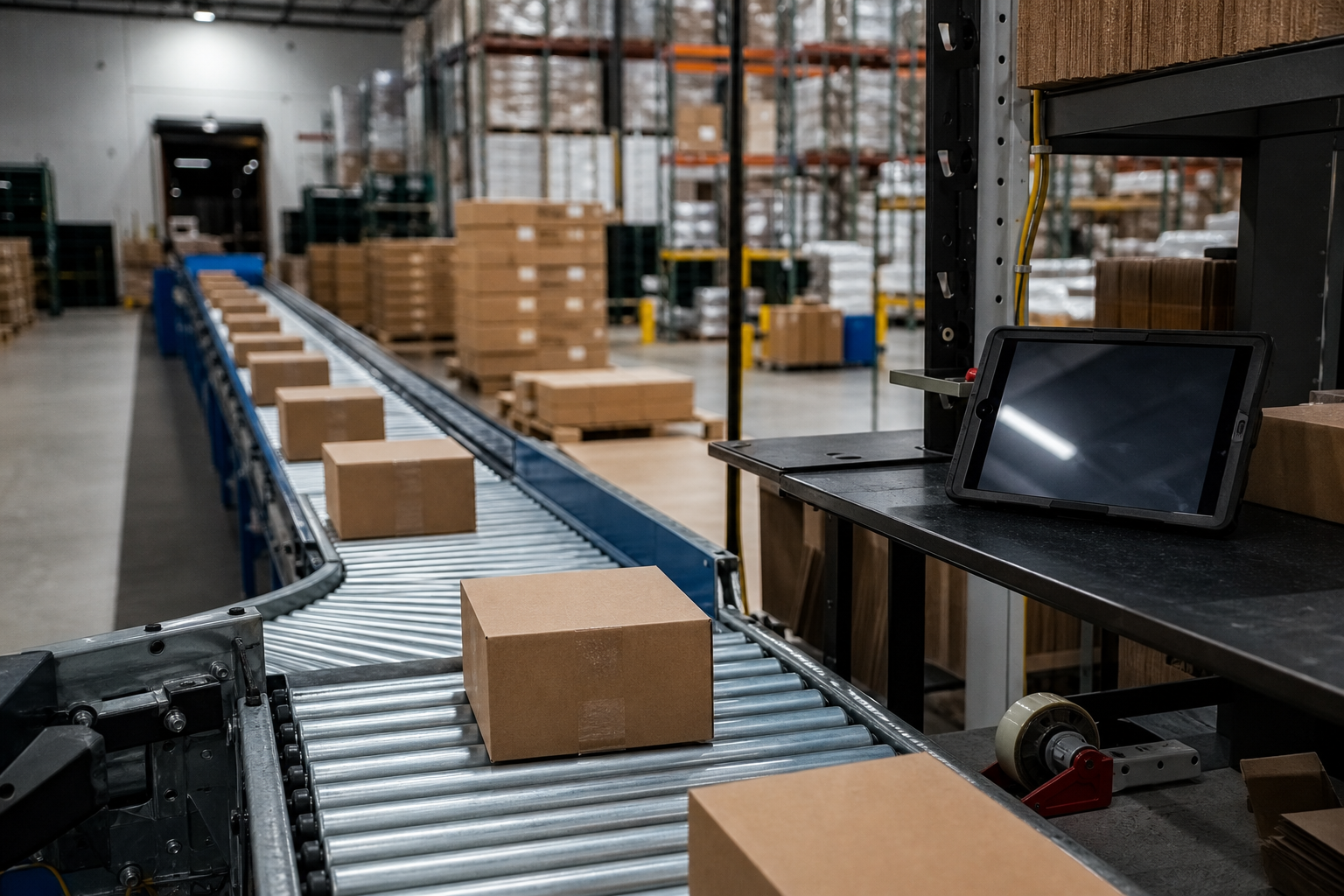
The XYN digital intelligence system can chain orders, warehouse state, and document checklists in one configurable flow. Small parcels run when warehouse and declaration change together—not when you add only a customs channel.