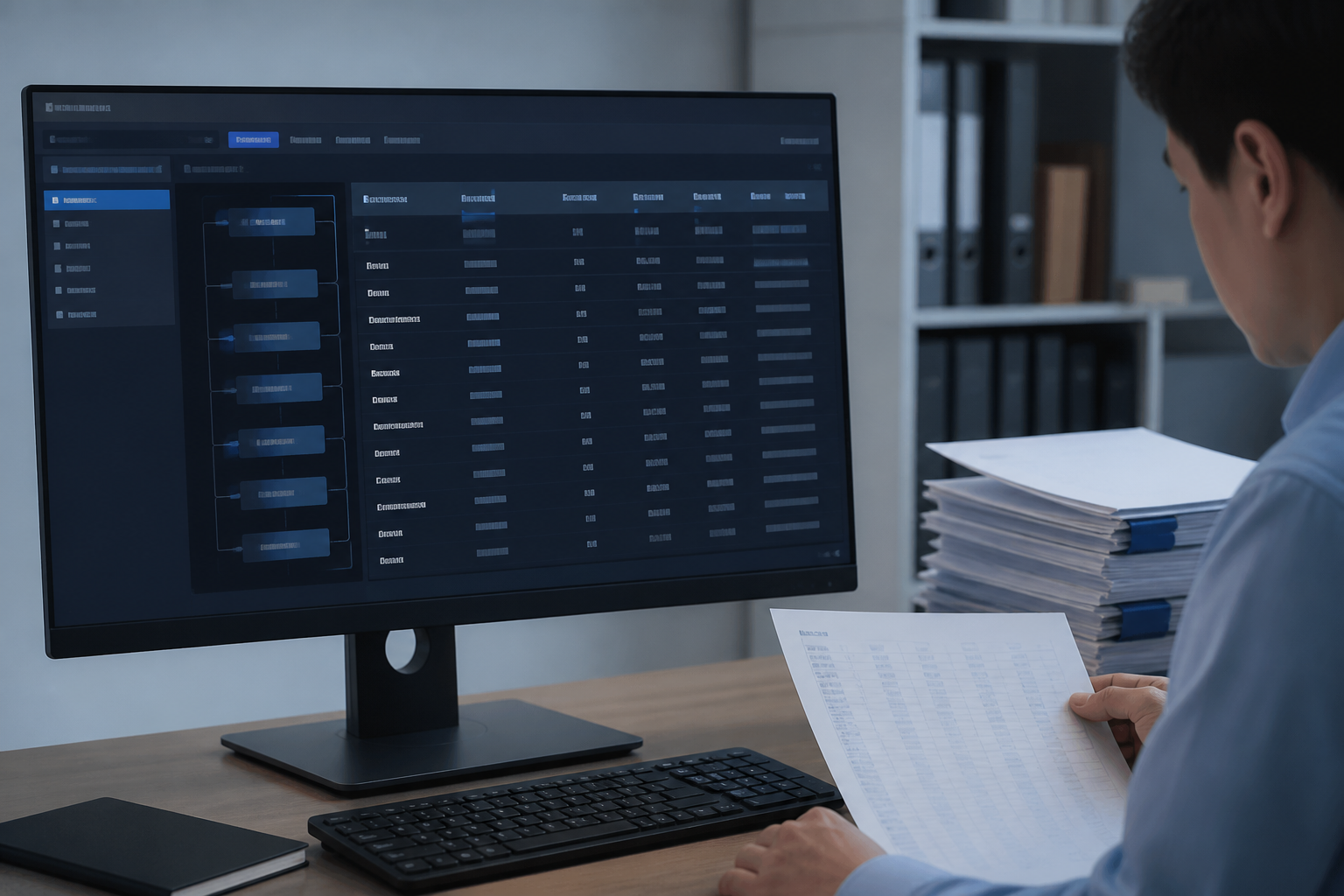
Same part number, new customs code. If refund filing updates only the current value, historical declarations and lists disagree—audits ask "which code applied then?" Commodity code changes must sync to traceable history: effective date, old code, new code, basis. Current shipments use the new code; historical refunds honor the code at declaration—both must open cleanly.
Master data without time dimension breaks refund at code governance.
Codes Are Time-Bound Master Data
Changes via request: tariff basis, impact on in-transit declarations. Declared-but-not-refunded shipments finish on declared code—no retroactive edits. New orders use new code from effective date. Filing lists pull versioned references—no manual code edits.
- Only one effective code per part at a time—document transition periods.
- Documents, customs, and refund read the same version service—no separate spreadsheets.
- Audit drill: random historical export shows code on declaration date.

Traceability Beats Fast Edits
The XYN digital intelligence system makes commodity codes effective-dated master data—shipments and refunds reference the version in force then. Codes can change fast; history must stay. Fast changes without history write future audit risk.
Sample three refunded exports—can the system show the code on declaration day? If not, backfill history before approving the next change.