Many plants still run two rhythms: change oil on calendar or fight fires when broken. Calendar work wastes good parts; firefighting breaks schedules. Predictive maintenance is sold as sensors and algorithms—small plants hear “too far.” The first step is humbler: make state visible. Without vibration, temperature, and runtime, maintenance plans are master guesses.
Moving from firefighting to condition-based care means admitting firefighting has its own reward system. Fixes get thanks; prevention goes unseen. Without changing metrics, advanced models become floor decoration. The more critical the asset, the costlier the mismatch—downtime picks the fullest order book.
Why Firefighting Culture Persists
Technicians are scored on fixes; planners pressured to avoid stops; spares bought “because we use a lot.” Without state data all three fight fires after the fact. Busier firefighting leaves no time for rounds; emptier rounds mean surer surprises—a self-reinforcing loop.
Data is scattered too: rounds on paper, tickets in WeChat, spares in Excel. Even when someone senses a machine drifting, it can’t become a time-bound work order. Feelings can’t dispatch; dispatch can’t carry parts—prediction can’t start. Merge the three tables into one timeline before buying an analytics platform.
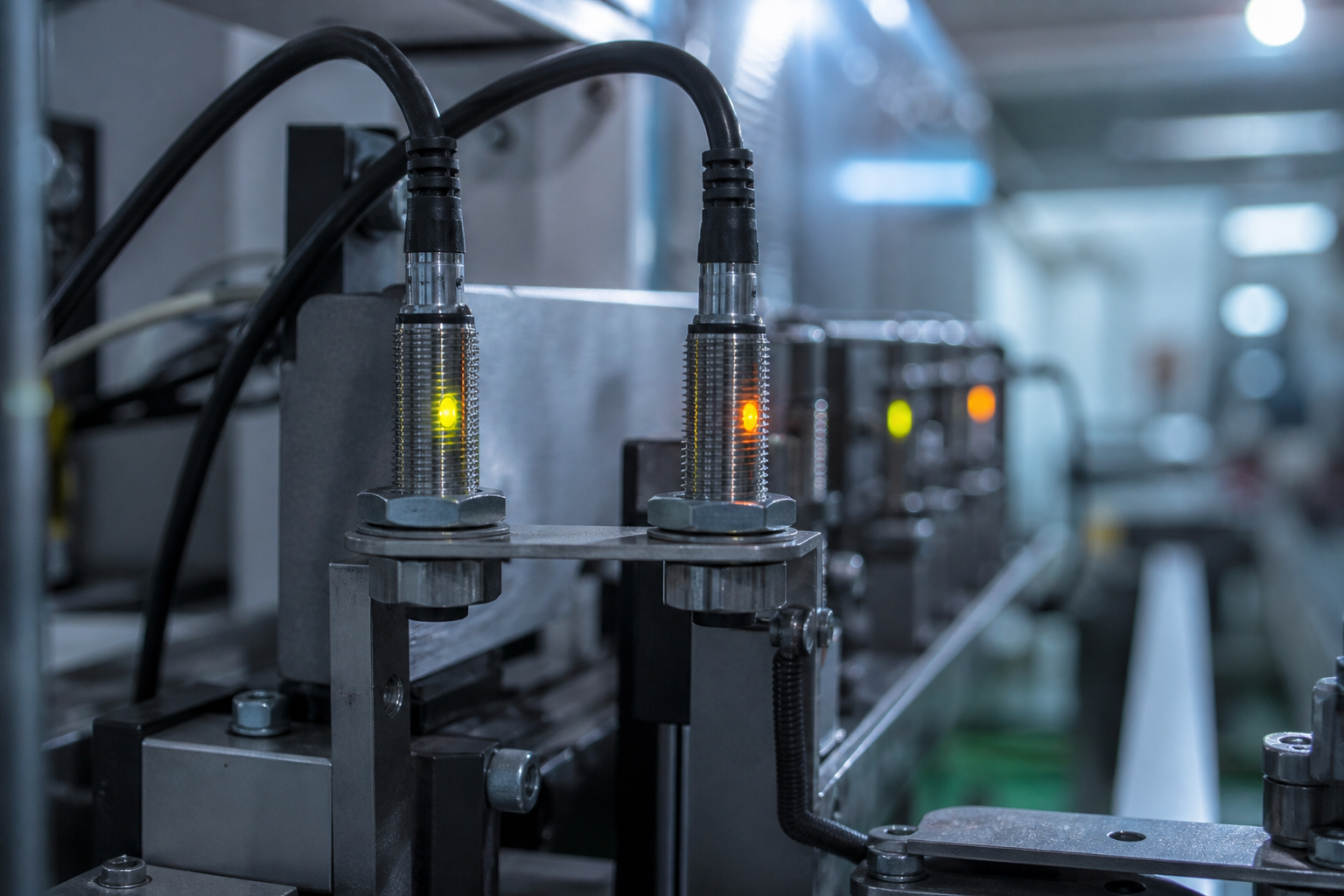
Minimum Condition-Based Loop
Don’t cover the whole plant first. Pick a few critical assets affecting delivery; capture runtime and abnormal events—thresholds coarse not fragmented. Over limit opens a maintenance ticket with owner, window, and parts fixed; completion must write back so the next threshold has evidence.
- Critical assets: runtime and abnormal events first—full-plant sensors not required.
- Over-threshold auto-opens maintenance tickets with owner, window, and parts spelled out.
- Completion writes actual parts and time to calibrate thresholds.
- Split planned vs unplanned downtime—firefighting glory fades when planned share rises.
When planned maintenance share rises and unplanned stops fall, predictive maintenance entered production—not the showroom. Management should watch delivery volatility and emergency overtime falling together, not curve count on a dashboard.

The XYN digital intelligence system can configure rounds, tickets, and spare requests—run one line first, then expand. The bar for predictive maintenance isn’t the model—it’s whether state and action align.