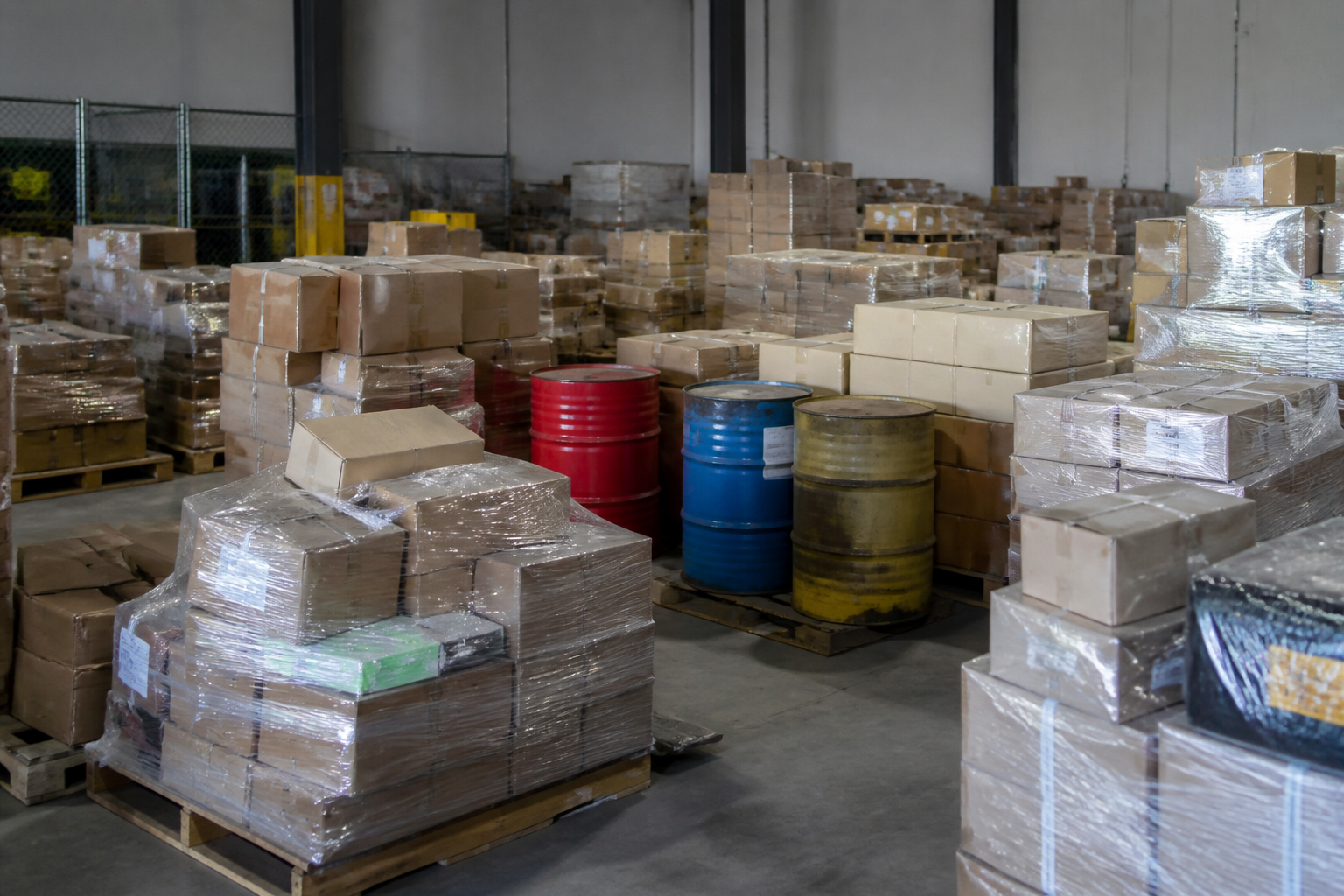
One drum of solvent on a general rack—after inspection or incident comes relocation, fines, and shutdown. One mix costs more than deploying slot isolation rules. Hazmat needs attributes, zones, and incompatibility rules; receiving scans that land in the wrong zone must reject. Memory fails when busy; rules must live in the system.
Isolation is not label culture. It is hard matching of slot type to material attribute.
Attributes Decide Destination
Materials carry hazmat class, incompatibilities, temperature/humidity. Slots carry allowed categories. Putaway tasks recommend only legal locations. Incompatibles (e.g., oxidizers and flammables) never see each other's zones. Fire and spill plans attach to zones, not training slides.
- Validate at receiving—nonconforming goods never enter general storage.
- Validate on moves—no "just for a moment" staging.
- Cycle-count hazmat zones separately; variances are safety events.
Blocking Beats Training
The XYN digital intelligence system binds hazmat attributes to slot types as putaway constraints—busy shifts cannot mix by accident. Success means a wrong scan beeps, not a yellow line on the wall. Yellow lines without system blocks are decoration when rush hits.
Drill one hazmat SKU scanned to a general slot. If it posts, the rule does not exist. Block first, automate later.