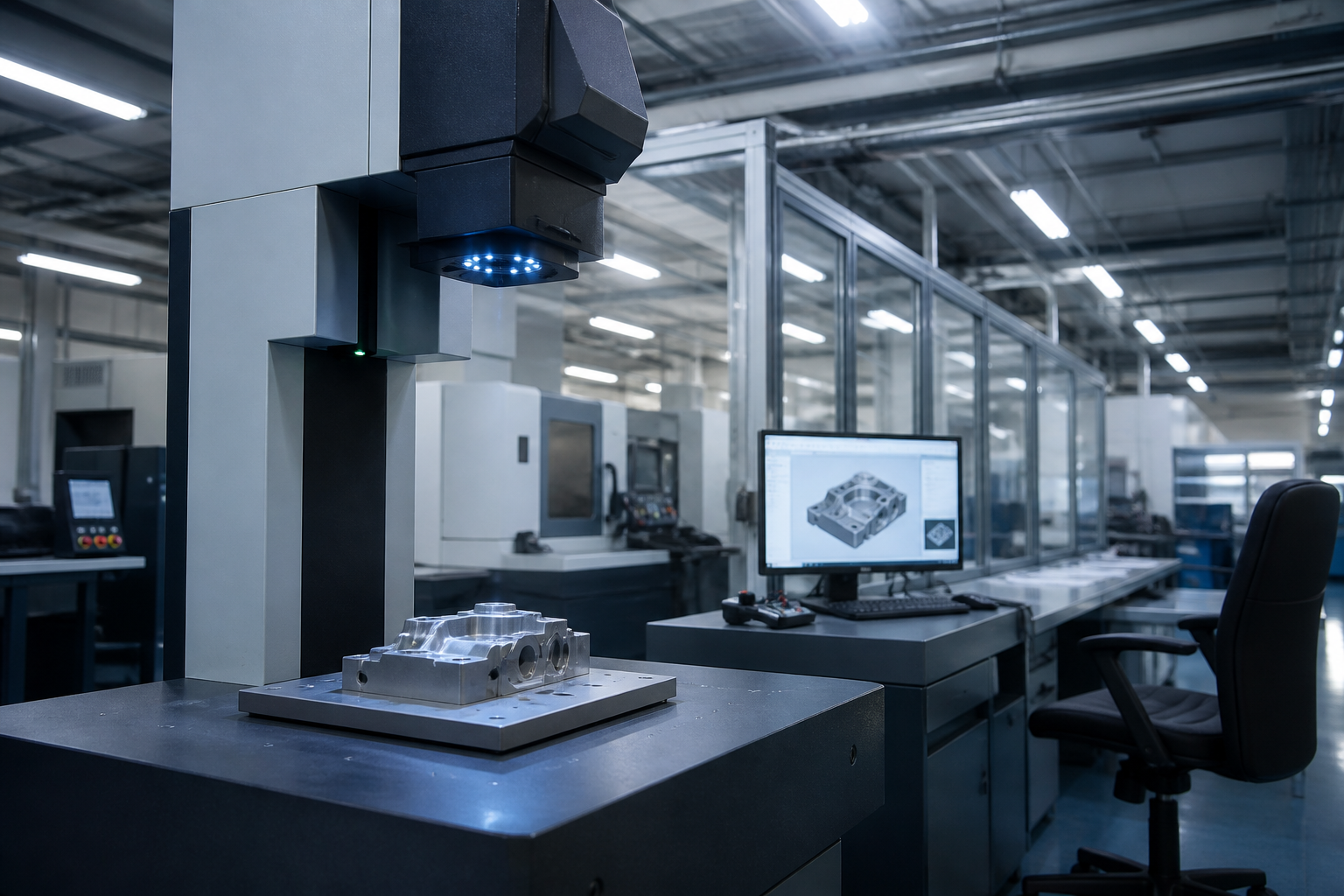
First-article records are full, yet defects appear ten minutes after start. Inspection and line start run in parallel—forms can be backfilled; machines do not wait. Theater is not lazy inspectors—it is design putting the gate on forms, not release. Without first-article scan approval, work orders cannot move from setup to bulk or report beyond first-article quantity. Gate at release turns form into control.
Paper can stay. Paper cannot replace the release signal.
Release Is the Only Qualified State
First-article work orders have quantity caps. Reporting beyond cap blocks production and logs violations. Inspection items follow process cards; critical dimensions need measured values—not checkmarks only. Failures require parameter or tooling changes and new first articles—no "run first and see."
- Releaser separate from operator—self-inspection cannot replace first-article release.
- Shift change, mold change, material change—conditions trigger new first article.
- First-article samples retained and bound to batch—customer claims trace to the opening piece.

Put the Gate on Work Order Status
The XYN digital intelligence system writes first-article release into the work-order state machine—no bulk reporting without release. Theater drops because bypass cost is lost output, not one missing signature. Quality meetings should review intercept counts—not form aesthetics.
Check how many work orders last week exceeded first-article quantity before release. Above zero means the gate is still on paper.