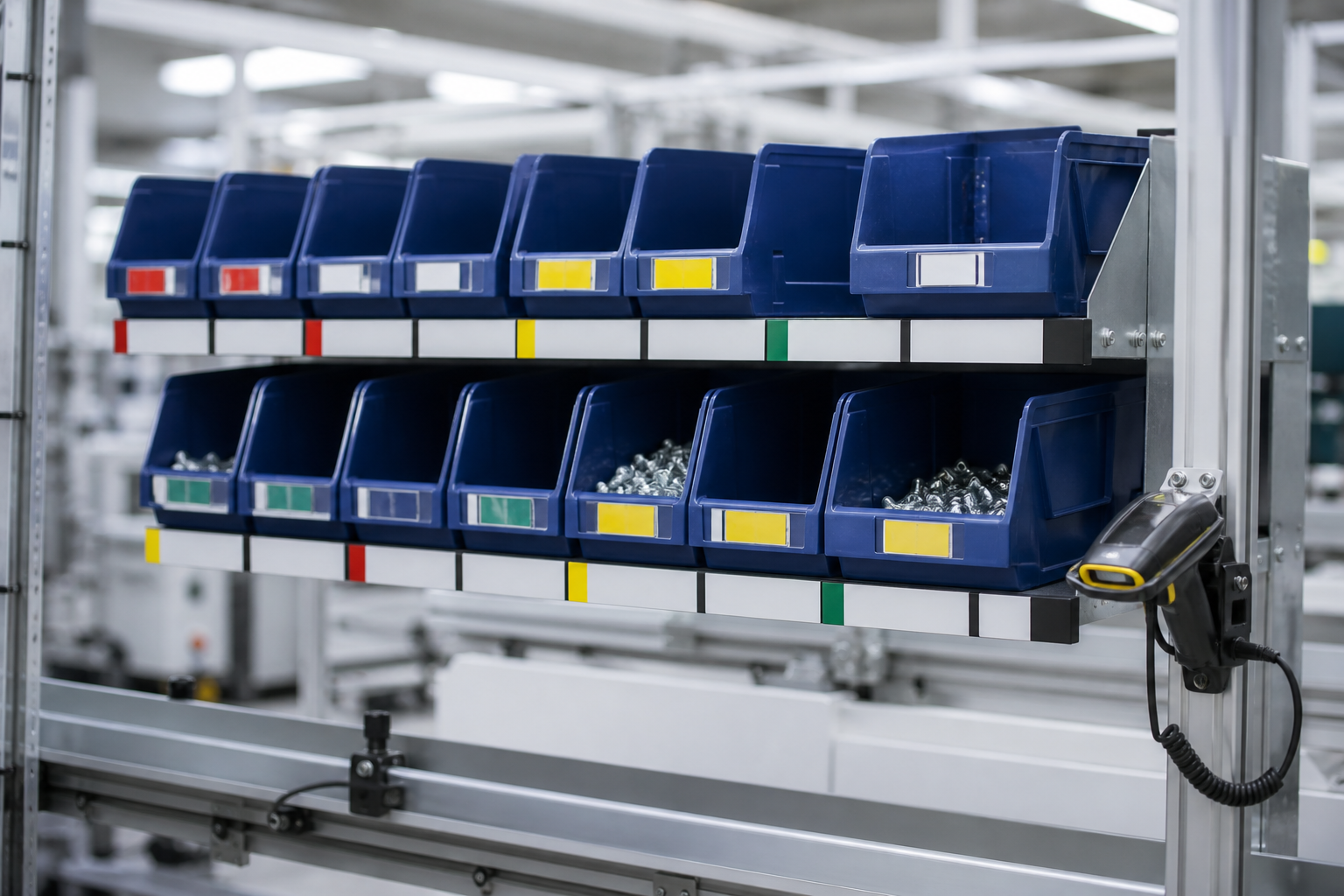
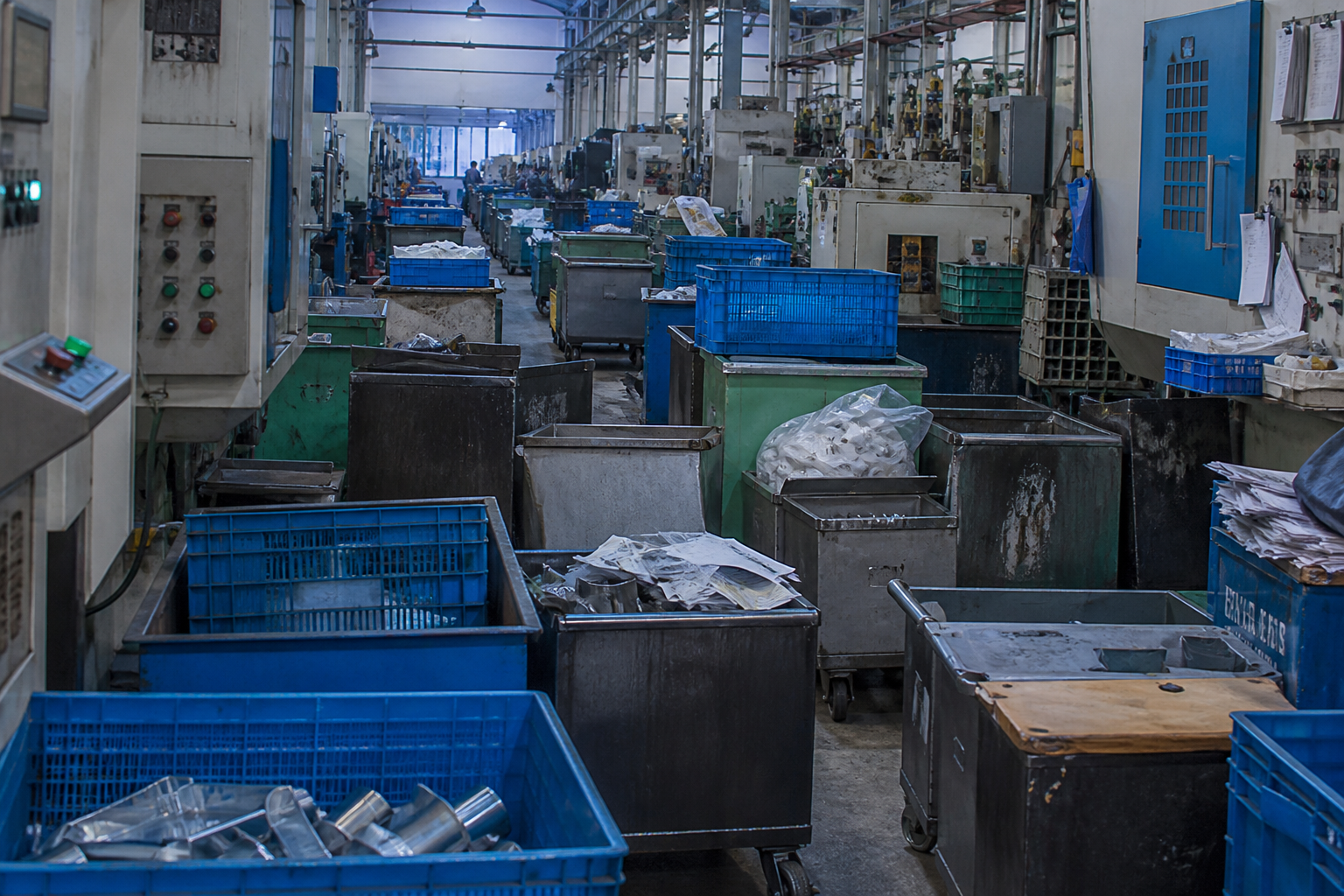
Line-side empty and the shift lead shouts for material; line-side full and aisles block while counts disagree. Overstock and stockout often arrive the same week because logic is "do not let me run out again." Fear of shortage means extra boxes; extra boxes block space; what is truly short cannot enter. Line-side failure is rarely bad WMS—it is treating line-side as a mini central warehouse.
Line-side holds one shift plus one batch—more is moving the warehouse to the most expensive floor space.
How Gut Replenishment Creates Double Loss
Once-short materials get over-stored; never-short ones get ignored. Usage shifts—excess becomes dead stock, ignored becomes a line stop. Non-standard containers mean "one box" changes daily; thresholds cannot compute. Visual-only feedback makes the system think line-side is always full or always empty—both lies.
Central warehouse ships to line-side shouts; planning follows shop emotion. Emotional replenishment always loses twice.
Replenish to Takt, Not Fear
- Max/min from work-order usage—above max no refill, below min auto-request.
- Standard containers—count boxes, scan feedback replaces visual guess.
- No unrelated safety stock at line-side; keep it upstream or central.
- Weekly line-side turns and line stops—fix thresholds, not add shelves.
The XYN digital intelligence system can link work-order usage, line-side inventory, and replenishment orders to configurable takt. Line-side should be lean. Lean and unbroken means replenishment entered manufacturing—not pile-up.