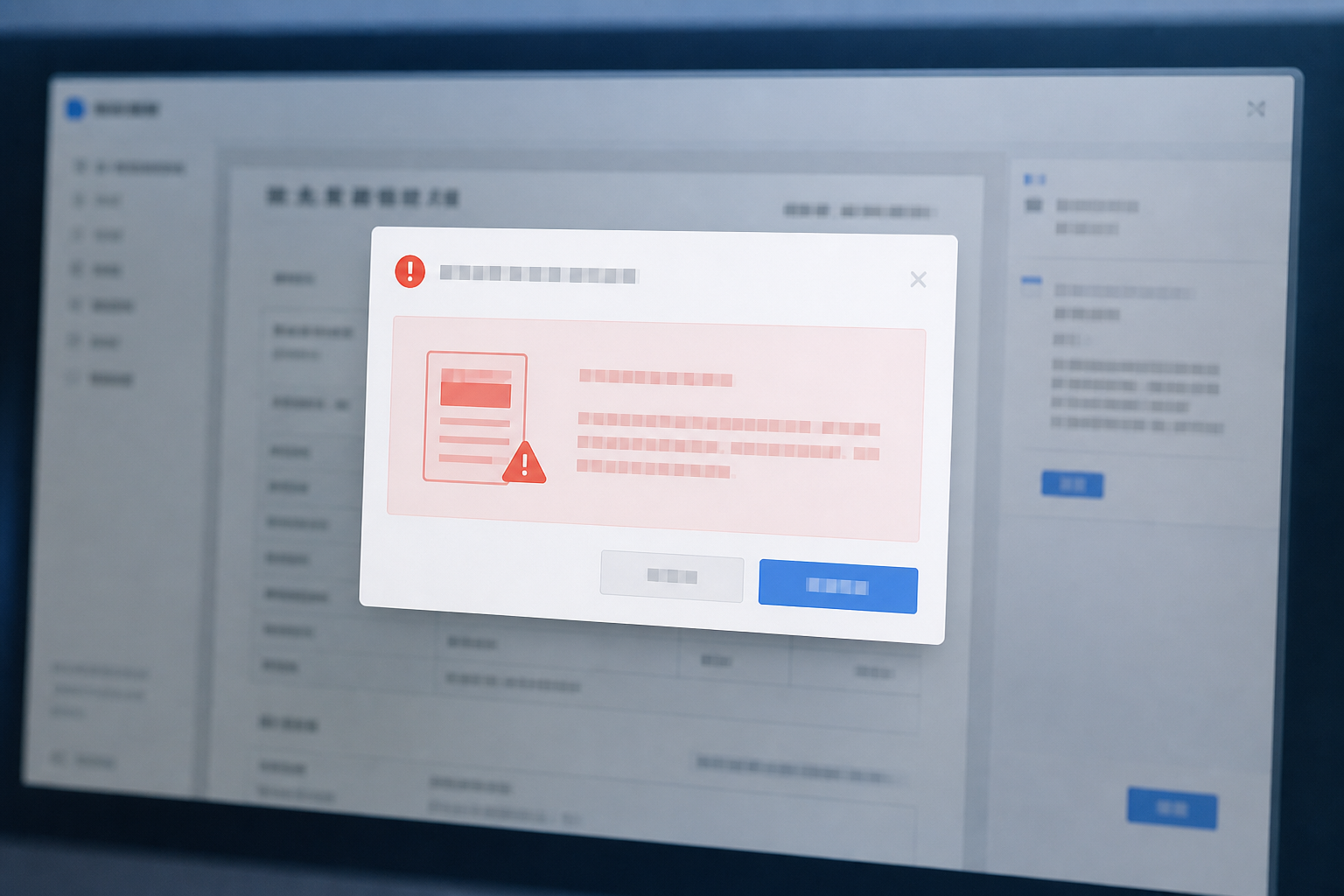
At drafting you see "inspection certificate issued by applicant" or "destination details notified only after shipment." Soft clauses hand control to the counterparty—failure after shipment means discrepancies. If risk lives only in document staff experience, newcomers repeat the same traps. Document systems should checklist common soft clauses and warn business before drafting—ideally at L/C receipt: amend, adjust delivery, or reject the credit.
Warnings must happen before goods leave the plant. After shipment, warnings are only condolences.
Scan Risk at L/C Receipt
After L/C entry, rules flag: third-party certificates, vague inspection, post-shipment port changes, restricted carriers with early presentation, etc. High risk requires business plus documents dual confirmation before production. Confirmation records bind to shipment—disputes show why release was allowed.
- Soft-clause library maintained by document lead—cases enter knowledge, not only chat.
- Block drafting when clauses cannot be met—not "make invoice first."
- Amendment status visible—no loading until amendments clear.

Share Risk with Business
The XYN digital intelligence system places L/C clause checks before shipment nodes—warnings go to business, not only documents. Soft clauses are not a document department secret—they question whether the quote still holds. System warnings plus dual confirmation stop profit disappearing into discrepancies.
Classify last year's discrepancies by clause—automate alerts for frequent ones. Experience not in the library means newcomers pay tuition again.