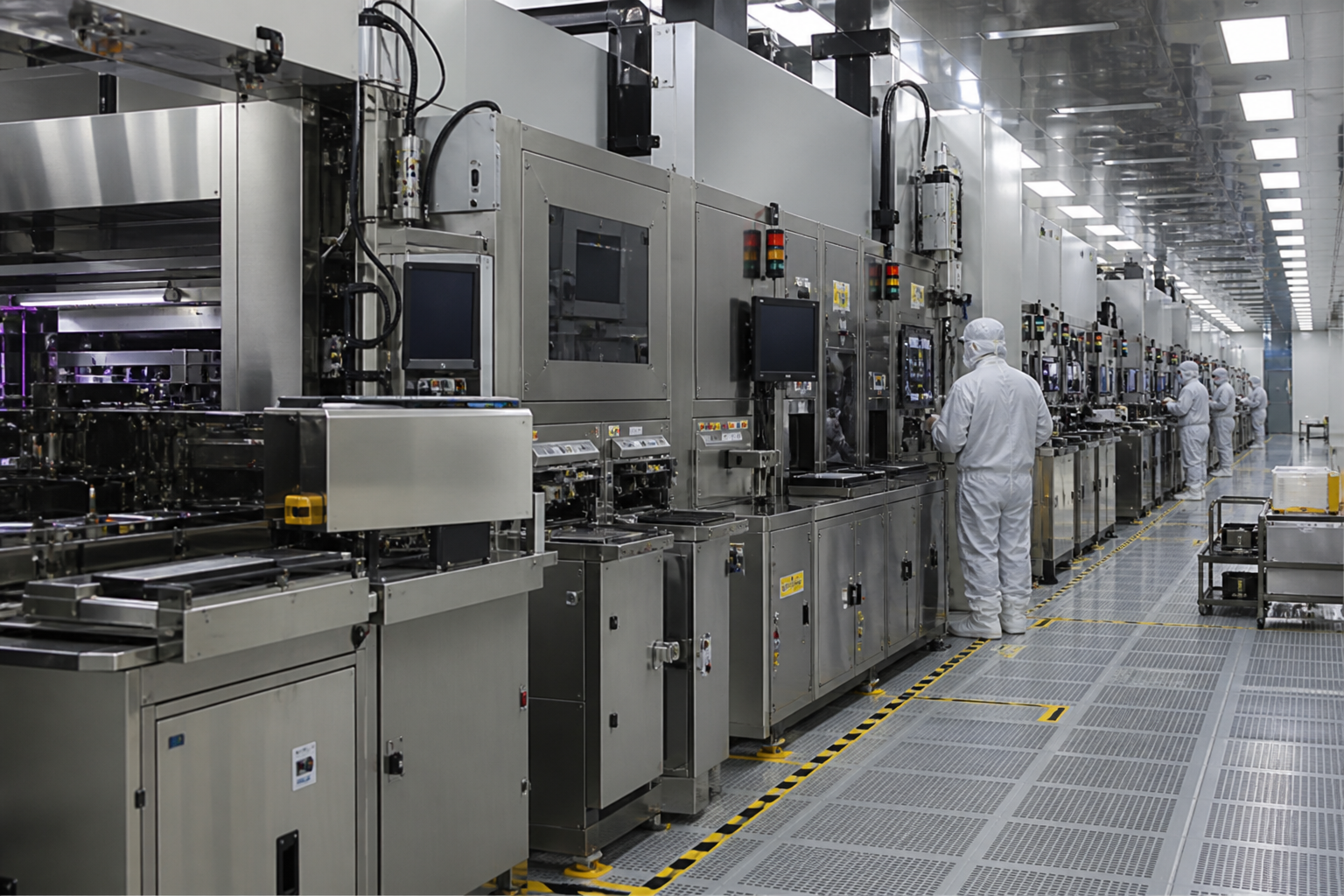
Defects pile at the line edge; quality says rework, planning says the main line is full. Night shift inserts rework anyway; day shift finds tooling swapped. Rework fights the main line because rework has no slot or time in the plan. Without reserved capacity, rework exists as rush insertions that scramble scheduling and changeovers.
Rework is part of production, not an exception. Unscheduled exceptions become grabs.
Rework Needs Work Orders and Capacity
Defects become rework work orders occupying defined resources: machine windows, labor, replacement parts. Windows can be small—they must be visible. When rework and main line share the same mold, frozen rules arbitrate—not whoever shouts loudest. Rework completion writes back to the original batch—traceability intact.
- Plan load includes rework reserve, rolling by historical defect rate—not waiting until piles form.
- Shared equipment gets rework time blocks; main line cannot by default consume them.
- Rework exceeding reserve escalates—signals quality or planning distortion.

Make Resource Grabs Visible
The XYN digital intelligence system puts rework work orders in the same scheduling view—when they fight the main line for machines, you see it. Quality improvement gets data: how much capacity rework consumed. Invisible rework stops at "we overtime-finished it."
Check whether last week's rework machine hours appeared in the plan. If not, grabbing is still underground.