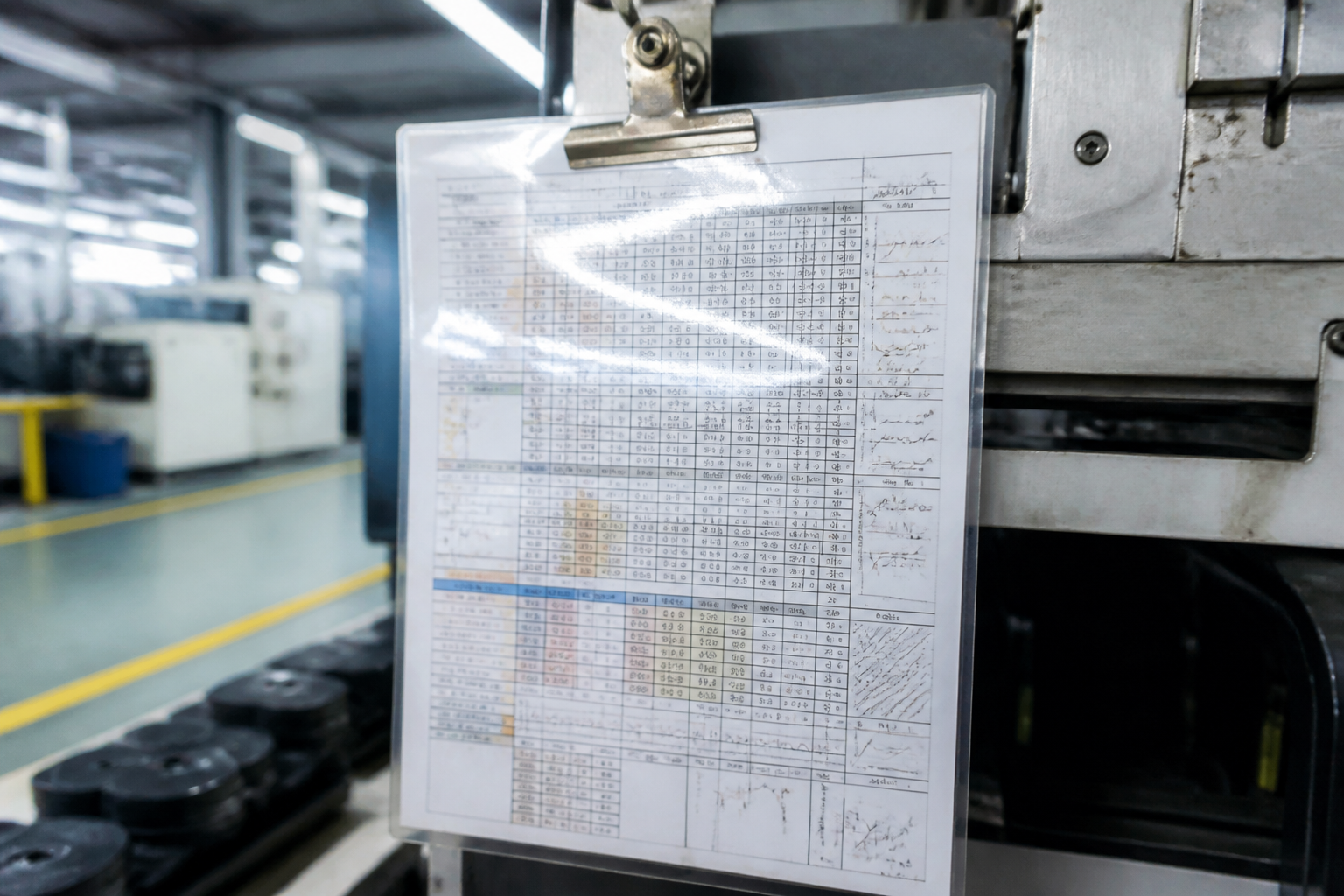
Critical parameters often live only with veterans: temperature, feed, torque, when to take another pass. Day shift stable, night drift; stable when they’re there, drift when they’re out. Experience is valuable but can’t scale. Smart manufacturing that skips this layer just repeats instability faster.
Capture isn’t filming a lecture—it’s writing every adjustment’s conditions, results, and limits so the next shift starts from the same sheet.
Why Experience Doesn’t Stay
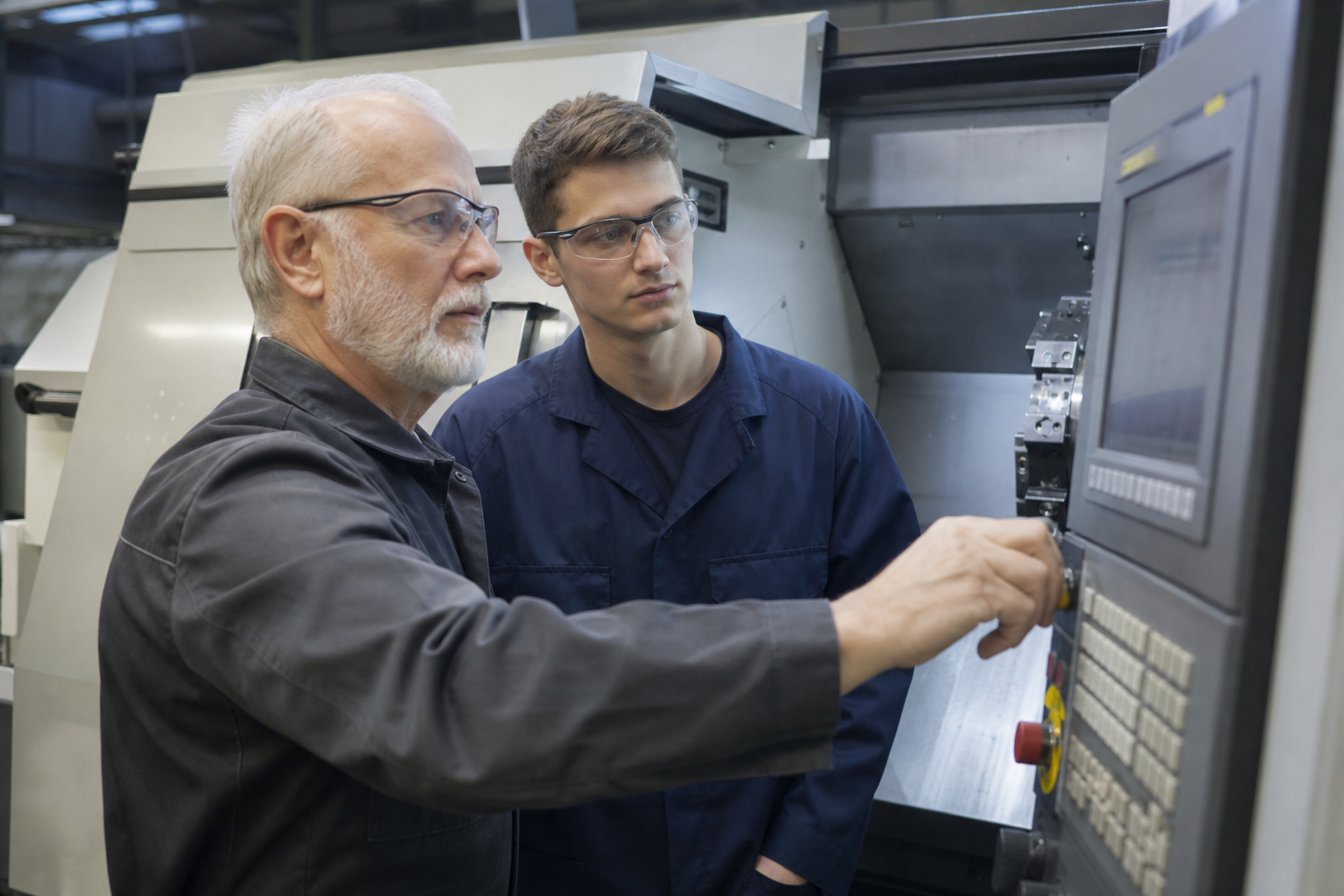
It happens at the machine in speech and feel—no part number, batch, or failure case; copied notes aren’t trusted. New hires watch without knowing what must not be skipped. People leave; the line returns to trial and error.
Another blocker is face: writing parameters feels like taking the master’s value. Opposite—rules preserve craft so masters handle harder exceptions instead of tuning the same machine daily.
Rule One Line First
- Pick three to five quality-sensitive parameters—setpoint, tolerance, rollback triggers.
- Every tweak logs cause and result; archive success and failure—never only “fixed it.”
- New batches start from last successful rule; out-of-tolerance escalates to master—not default free play.
- Rule versions follow part numbers—review when equipment or supplier changes.
The XYN digital intelligence system can configure process cards, tuning logs, and escalation. Experience as rules lets lines scale and masters leave the machine to develop people.