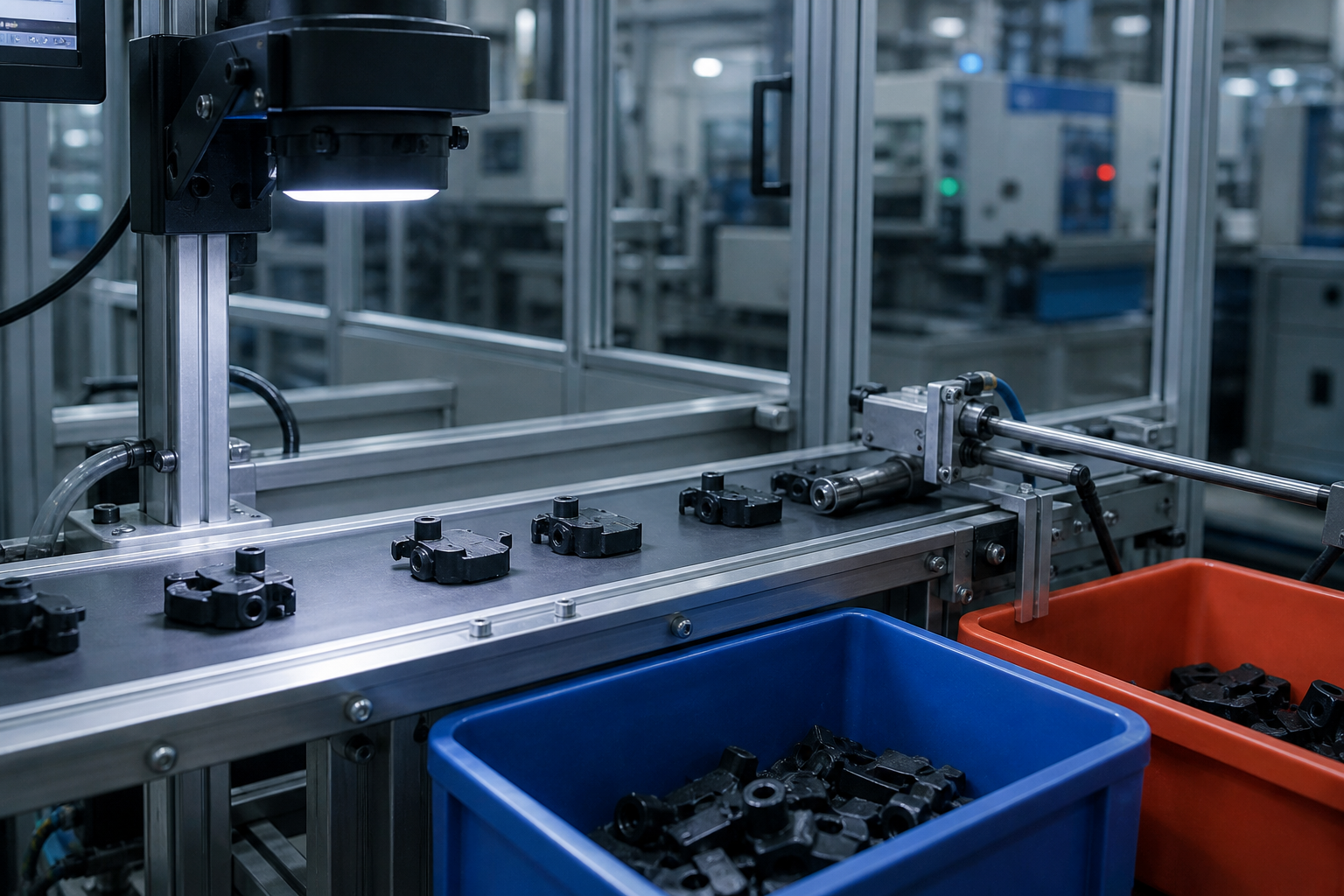
Vendors push "shop knowledge assistants"—workers ask about process. Real pain is missed and over-inspection: eyes tire all day; standard and defect parts differ by pixels. SME manufacturing's first AI scene is often QC—visual or simple classification—not large-model chat. QC has gold standards, intercept points, and defect cost—investment is calculable. Chat has no gold standard; errors still sound authoritative.
Assistants are not forever off the table. The first scene should stop bad parts—not talk.
Why QC Fits First
Samples can be collected; right and wrong can be re-checked; models can run offline; latency can match takt. Failure modes are clear: miss and over-kill—both enter quality meetings. Chat failure mode is "sounds right"—exposed only at customer complaints.
- Start with one defect type, one station—not plant-wide generic vision.
- Humans still spot-check; AI pre-screens or assists full inspection—QC still owns responsibility.
- Standardize lighting, fixtures, and camera distance before talking models.
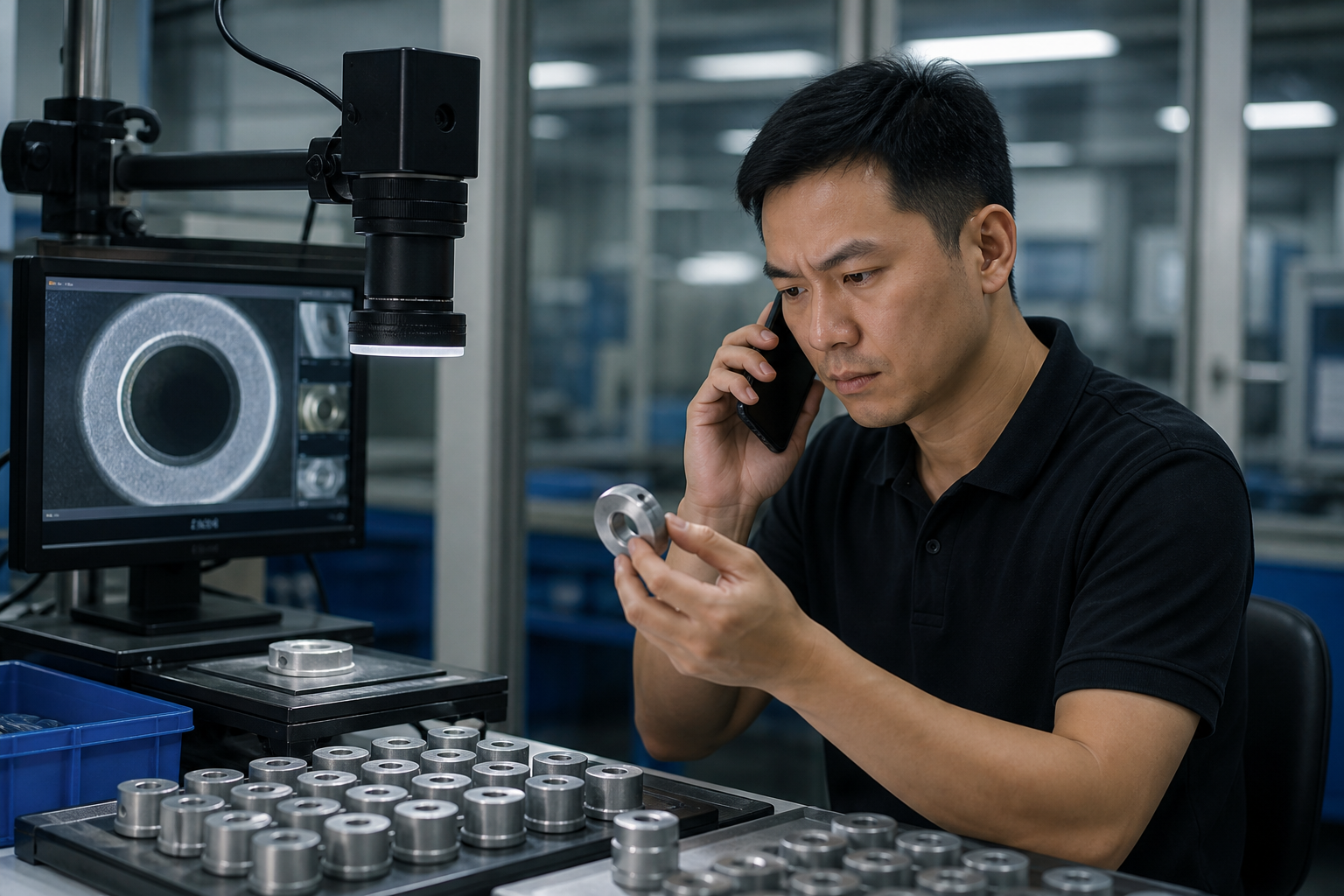
Chat Can Wait for Phase Two
SOP Q&A needs versioned knowledge and permission boundaries. The XYN digital intelligence system writes QC results back to batches and work orders—first scene closes the loop. Thin budgets should fire first at defect cost—not the product with the best story.
Calculate miss cost for one station. If loss is big enough, do QC AI. If not, stabilize lighting and standard work first—no chat for the sake of "smart."