Il data center ha registrato un picco di costruzione nel 2020-2024 e molte aziende hanno completato la divisione del dominio tematico, il catalogo degli indicatori e alcuni servizi API. Nel 2026, l'attenzione si rivolge alle operazioni: a quali risorse di dati vengono chiamate? La qualità è stabile? È ancora allineato alle decisioni aziendali? In caso di mancata risposta, l'estremità media potrebbe diventare un centro di costo.

Sfondo: il periodo di costruzione e il periodo di funzionamento e manutenzione dell'indicatore dislocazione
.Il periodo di costruzione è solitamente misurato dal "numero di tabelle che entrano nel lago, dal numero di interfacce e dalla copertura delle aree tematiche". Durante il periodo di funzionamento e manutenzione, è necessario prestare attenzione al "numero di API attive, alla coerenza degli indicatori, all'MTTR degli eventi di qualità dei dati e al ROI degli scenari aziendali. Gartner ha sottolineato che oltre il 50% dei progetti di data center viene ridimensionato entro tre anni a causa della mancanza di governance dal lato consumer. Si consiglia di stabilire un meccanismo di collaborazione interdipartimentale: dati di revisione di prodotti, ricerca e sviluppo e operazioni e ordini di lavoro a un ritmo fisso e incorporare la gestione delle eccezioni, le modifiche alle autorizzazioni e l'ottimizzazione del rapporto nelle normali operazioni, piuttosto che rimedi temporanei dopo essere online.
Nell'implementazione specifica (Parte 1), si raccomanda di prestare attenzione alla minimizzazione dei permessi, alla tracciabilità dei processi e all'interpretabilità dei report contemporaneamente, così da evitare il ripiego del "sistema è online ma la collaborazione dipende ancora da moduli e instant messaging. Accordi con fornitori o appaltatori interni sui confini di consegna, trasferimento di conoscenze e piani di emergenza possono ridurre significativamente il vuoto di capacità alla fine del progetto, pur mantenendo i record di versione e le tracce di audit per i successivi controlli di conformità e iterazioni.
La multi-definizione di calibro indicatore, legami di sangue poco chiari, costruzione ripetuta di rapporti a valle e API e nessuna notifica di modifiche al sistema di origine-eroderà la fiducia. Il lato commerciale preferirebbe tornare a Excel, che è una bandiera rossa per il fallimento a metà classifica. Nella fase di atterraggio, i manuali di addestramento e funzionamento e manutenzione devono essere progettati simultaneamente, in modo che le dorsali aziendali possano completare la configurazione quotidiana, la gestione delle eccezioni e l'aggiornamento della versione anche quando non c' è un fornitore in loco.
Progettazione del sistema di funzionamento e manutenzione
Assegnare un proprietario del prodotto (proprietario del prodotto) a ciascun prodotto di dati di base e pubblicare SLA, annunci di modifica, documenti di utilizzo ed esempi. Crea un processo di "disattivazione": archivia o unisci asset con un profilo basso per ridurre il rumore. Dal feedback in prima linea, spesso non è un singolo punto di strumenti che apre davvero il divario, ma se il processo, i dati e la collaborazione organizzativa operano secondo lo stesso insieme di regole.
Nell'implementazione specifica (Parte 2), si raccomanda di prestare attenzione alla minimizzazione dei permessi, alla tracciabilità dei processi e all'interpretabilità dei report contemporaneamente, così da evitare il ripiego del "sistema è online ma la collaborazione dipende ancora da moduli e instant messaging. La gestione del cambiamento non dovrebbe fermarsi alle istruzioni di rilascio, ma anche coprire il piano di rollback, la valutazione dell'impatto e la comunicazione dell'utente chiave per garantire la continuità aziendale.
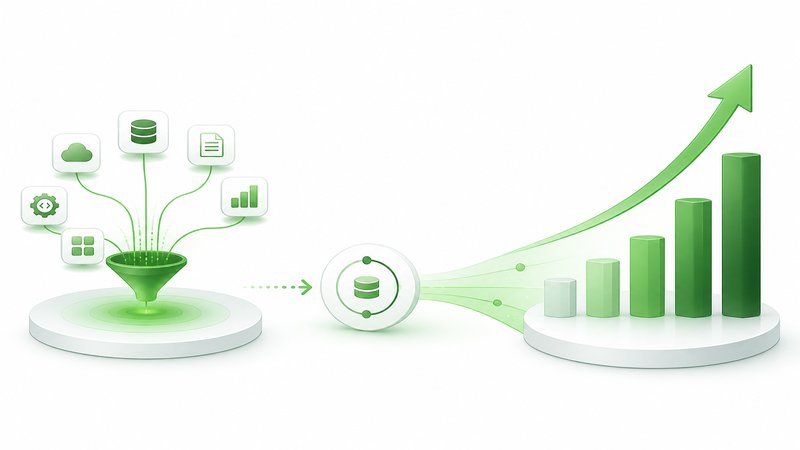
Impostare l'integrità, la tempestività, le regole di coerenza e gli avvisi automatici; associare i servizi di dati a KPI aziendali, come "volume delle chiamate API del punteggio di credito vs variazione del tasso di crediti inesigibili. Trimestrale presenta "Data Gain Ledger" alla direzione. Le interfacce di integrazione esterna dovrebbero conservare i registri di audit e le politiche di limitazione dei flussi, tenendo conto dei requisiti di apertura e conformità per ridurre il rischio di fuga e abuso di dati sensibili.
Caso di pratica: membro del gruppo di vendita al dettaglio Cina e Taiwan
L'interfaccia a metà tabella del cliente è 200 plus, ma la vita mensile è inferiore al 30%. Wishing Niu Technology ha aiutato a risolvere le API TOP 20 ad alto valore, il calibro dell'indice unificato dei membri, l'interfaccia ridondante offline 60% e il test di collegamento del cambiamento del sistema sorgente stabilito. Un anno dopo, l'attività mensile delle API è aumentata all'85 % e il tasso di copertura accurato delle attività di marketing è aumentato del 18%. Il calibro dei dati e i modelli di autorizzazione devono essere allineati al momento del progetto e rivisti ad ogni iterazione di accettazione per evitare che la deriva del calibro del rapporto distorca le decisioni di gestione.
Nell'implementazione specifica (Parte 3), si raccomanda di prestare attenzione alla minimizzazione dei permessi, alla tracciabilità dei processi e all'interpretabilità dei report contemporaneamente, così da evitare il ripiego del "sistema è online ma la collaborazione dipende ancora da moduli e instant messaging. Nella fase di atterraggio, i manuali di addestramento e funzionamento e manutenzione devono essere progettati simultaneamente, in modo che le dorsali aziendali possano completare la configurazione quotidiana, la gestione delle eccezioni e l'aggiornamento della versione anche quando non c' è un fornitore in loco.
L'accettazione finale del data center è se l'azienda continua a utilizzare i dati per prendere decisioni migliori. Si raccomanda alle imprese di impostare funzioni di funzionamento dei dati, trasformare l'ufficio intermedio da "progetto" a "prodotto", guidare gli investimenti con la misurazione del guadagno e lasciare che ogni tabella nel lago risponda "per chi risolvere quale problema 」. Nella pratica della gestione aziendale e della trasformazione digitale, il team deve smontare il "data center aziendale nel periodo di funzionamento e manutenzione: dagli indicatori di costruzione alla misurazione del guadagno aziendale" in pietre miliari misurabili, chiarire la persona responsabile e i criteri di accettazione ed evitare ripetuti deriva nella comunicazione orale.
Riepilogo e Prospettiva
Concentrandosi sulSintesi e prospettive, Combinato con il data center aziendale nel periodo di funzionamento e manutenzione: dagli indicatori di costruzione agli scenari correlati alla misurazione del guadagno aziendale, il team dovrebbe dare la priorità a chiarire il limite target, il calibro dei dati e il meccanismo di coordinamento, trasformando le richieste astratte in una lista di consegna accettabile, e allineando continuamente progressi e rischi in un ritmo bisettimanale.
Nell'implementazione specifica (Parte 4), si raccomanda di prestare attenzione alla minimizzazione dei permessi, alla tracciabilità dei processi e all'interpretabilità dei report contemporaneamente, così da evitare il ripiego del "sistema è online ma la collaborazione dipende ancora da moduli e instant messaging. Nella pratica della gestione aziendale e della trasformazione digitale, il team deve smontare il "data center aziendale nel periodo di funzionamento e manutenzione: dagli indicatori di costruzione alla misurazione del guadagno aziendale" in pietre miliari misurabili, chiarire la persona responsabile e i criteri di accettazione ed evitare ripetuti deriva nella comunicazione orale.
Promising Bull Technology continua a depositare la metodologia e l'esperienza di consegna nel campo della tecnologia dell'informazione di gestione aziendale e accoglie con favore lo scambio di team di "data center aziendali nel periodo di funzionamento e manutenzione: dagli indicatori di costruzione alla misurazione del guadagno aziendale" e promuove congiuntamente l'atterraggio digitale che può essere accettato e gestito.