Planners rarely plan. They align: warehouse says no stock, procurement says in transit, sales says the customer booked inspection flights, engineering says substitute is possible but needs process change. Four voices, four sheets—the planner is a human bus. By day's end, plans changed countless times; the system version is still the morning one.
Shortages, rush orders, and substitutes must share one workbench. Handled separately, the urgent wins—not necessarily the profitable.
How Three Sheets Tear Planning Apart
Shortage lists show zero, not in-transit or substitutes. Rush lists show customer names, not which operation they hit. Substitute lists show technical feasibility, not delivery and cost after swap. Planners stitch by experience; experience fails when busy—then overtime carries the load.
If the system makes them jump modules, they return to Excel. Excel can stitch but cannot constrain sales rush orders or engineering verbal substitutes.
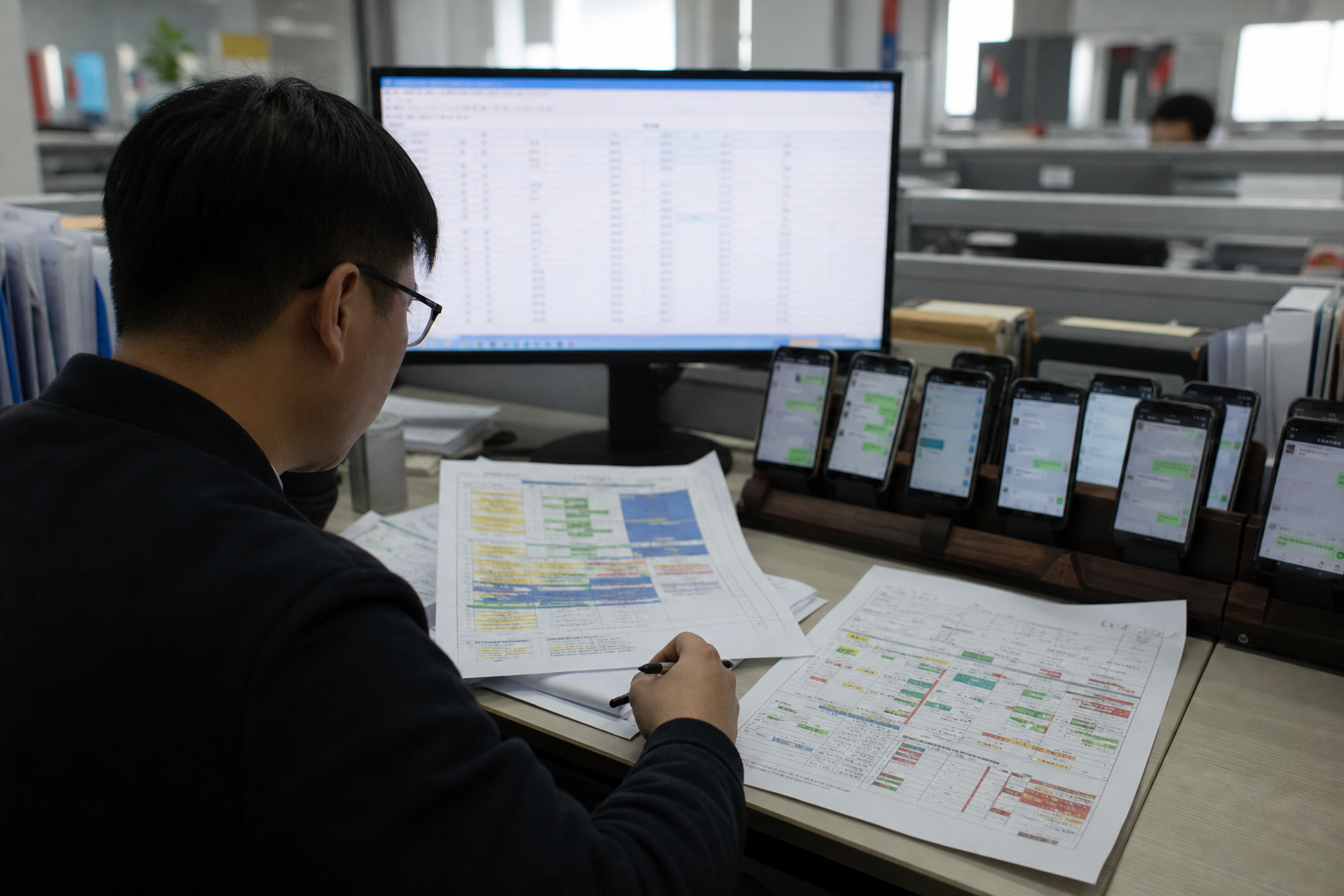
What One Screen Must Do
- Shortage rows show in-transit, outsourcing, and substitute candidates—one click for delivery and cost deltas.
- Rush orders must choose displaced orders or overtime windows—not add without subtracting.
- Substitute enablement runs short approval; results write back to work orders and procurement—no verbal swaps.
- Open exceptions stay on top daily; shift handoff passes this column, not chat logs.
The XYN digital intelligence system fits planning exceptions as a configurable workbench. A planner's day should be spent choosing, not finding people. Plans built on finding people become firefighting.