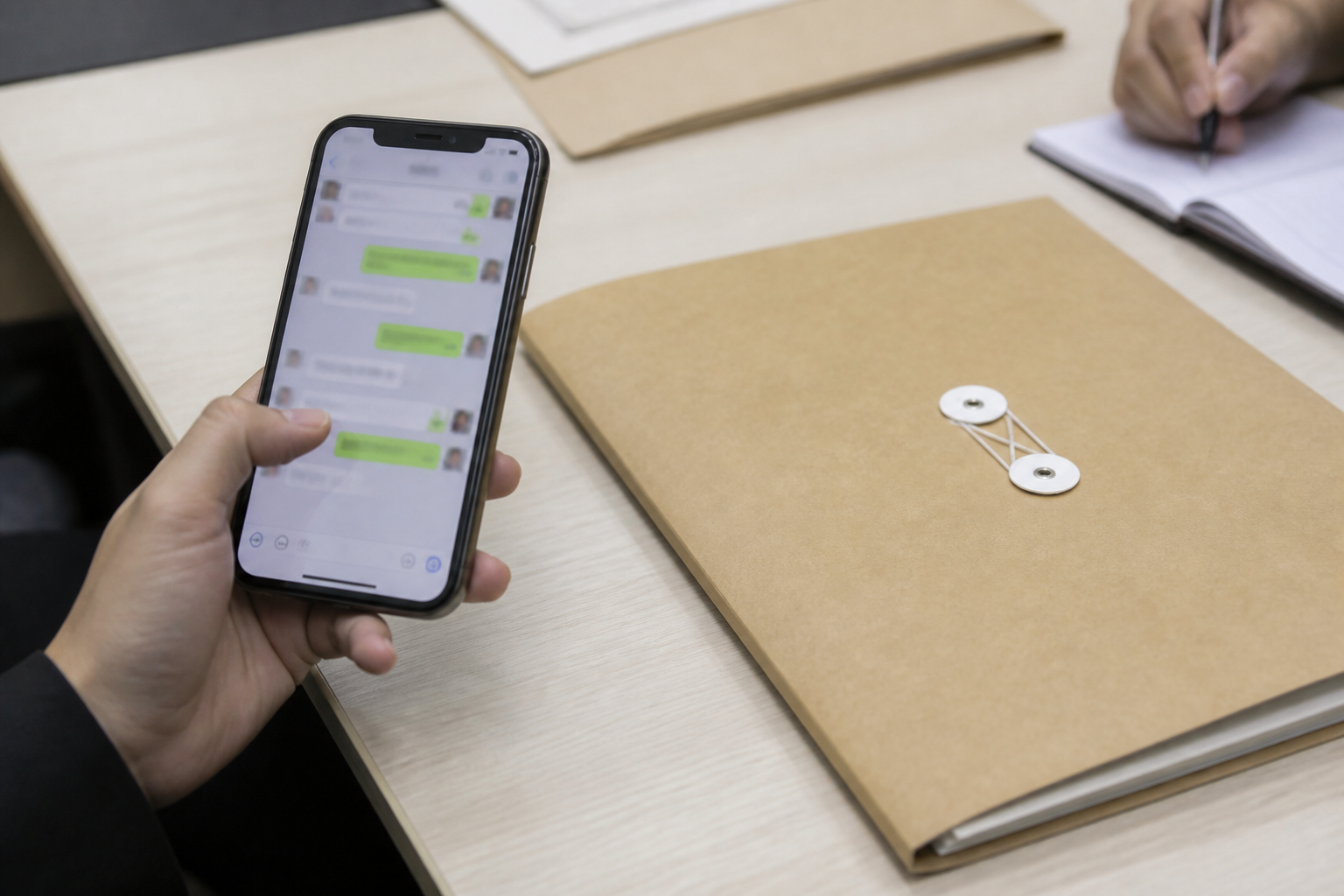
The phrase buyers know best is "the price from last time." Prices live in chat logs, verbal promises, and one-off quotes—filled from memory at order time. When suppliers or buyers change, price history breaks. Finance, audit, and savings reports all go back to WeChat.
A price ledger is not another spreadsheet—it lets every order answer: which contract set this unit price, is it still valid, and are tiers and rebates included.
Risks of chat-based pricing
You cannot prove what was agreed, prevent favor pricing, compare like materials, or block over-price orders in the system. Companies think they are flexible; they have handed pricing power to unauditable conversations.
How to link ledger and contract
- Write contract prices, currency, validity, and tiers into material price lines.
- Orders default to ledger price; deviations require approval and a reason.
- Auto-expire on end date—block orders on expired prices.
- Three-way match in reconciliation uses the same price source.

The XYN digital intelligence system links contracts, material prices, and purchase orders on one master-data layer. Flexibility can stay in approvals—it cannot stay in unsearchable chat.