Small plants often start standalone: one auto welder, one auto driver. Takt looks good; loading, kitting, QC, rework still run on people. Standalone cells are islands; the shop is a ferry crossing. Connectivity is misunderstood as plant-wide bus. The missing mile is business objects moving between stations: where is this work order, what is short, did the prior step pass?
Let work orders and material status follow people first; then write equipment events on the same ticket. Wiring can come later.
Why Standalone Does Not Link a Shop
Vendors sell single-machine efficiency. Shop efficiency waits: material, inspection, prior operation. Waits stay out of systems—dashboards show green dots while due dates drift. Green dots do not fix drift.
Without work-order keys, equipment data cannot attach to orders—analysis serves machines, not due dates.
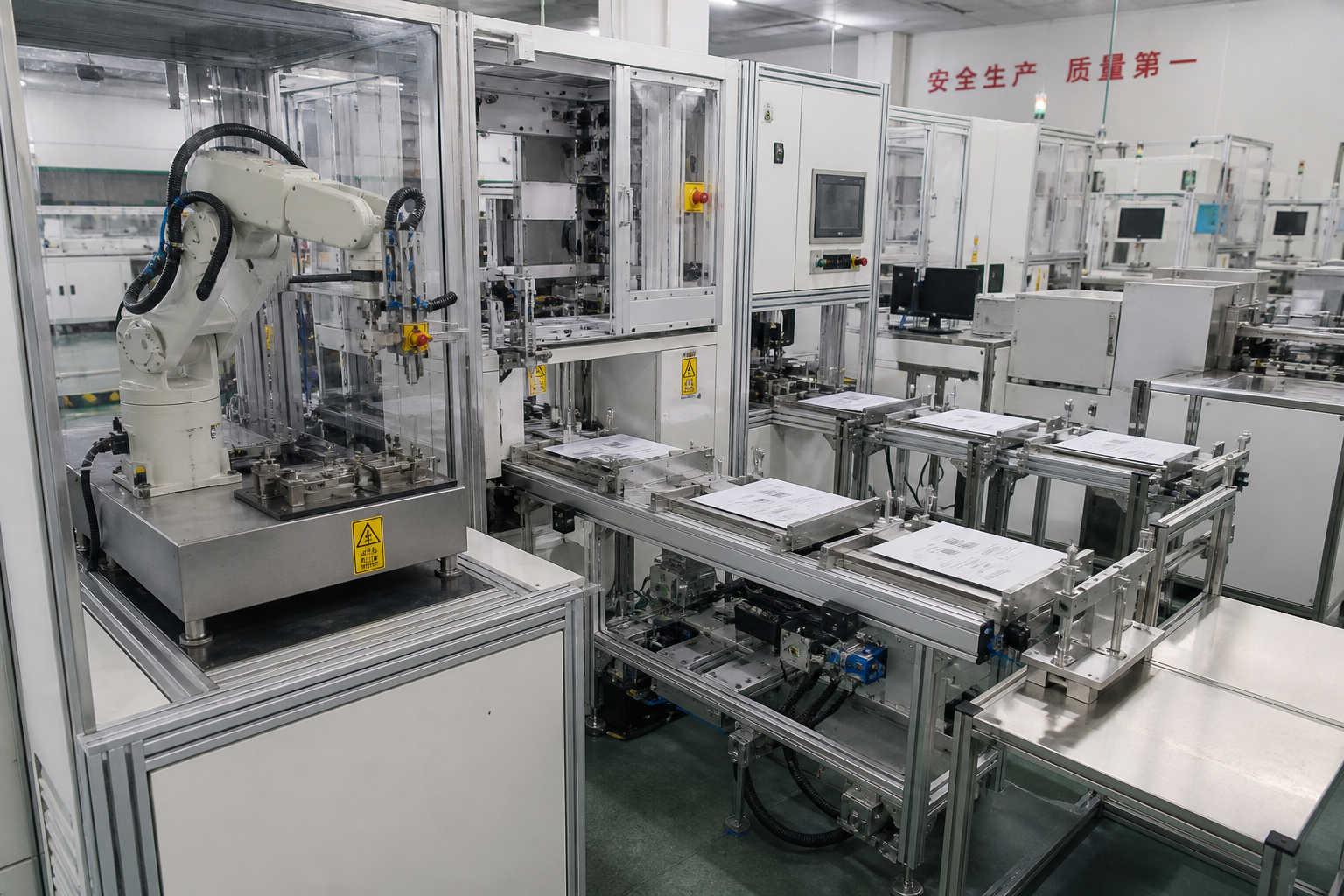
Walking the Middle Mile
- Stations recognize work orders only—start, complete, exception, QC write-back; no verbal release.
- Line-side and kitting visible to work orders—no start when short.
- Standalone takt as actual labor on the work order—for due date, not only equipment reports.
- Run one short process chain first, then neighbors—avoid blanket bus rollout.
The XYN digital intelligence system can make work orders, shortages, and QC a configurable station loop. Standalone to shop—the middle mile is documents. Documents connected, equipment stops being an island.