On multi-variety production lines, the most costly downtime is often not due to equipment failure, but rather to changeovers and product switches: molds, process parameters, first-piece inspections, and material changes rely on team leaders’ shouts, with inspection items determined by experience—only after the first piece passes do they discover that a fixture was left out. The planned “40-minute line change” turns into two hours on the shop floor, leaving downstream lines waiting for materials.
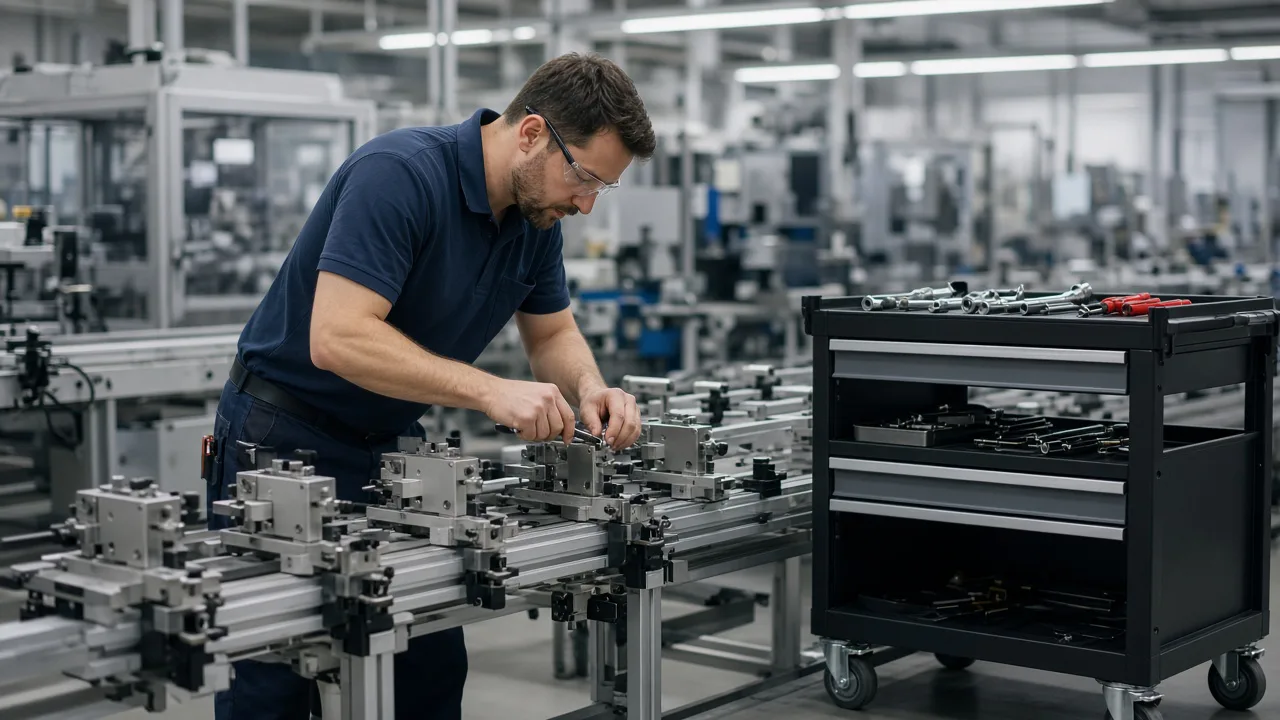
Break down changeovers into actionable tasks
- Changeover work orders: from SKU A→B, including planning windows, responsible teams, and standardized procedure packages
- Prepare tasks: tooling, cutting tools, program numbers, and materials must be fully assembled in advance; no changeover allowed until everything is ready
- Execute checklists: confirm step by step, mandating photos or QR code scans at critical points
- Confirm first pieces: dimensions, appearance, and functionality—if不合格, revert to previous steps instead of blindly adjusting the entire line
- Release production: only allow batch reporting once the first piece passes
Paper-based inspections can complete one cycle, but fail to reveal “which step takes the longest” or “which step requires the most rework.” Without data, lean meetings can only focus on subjective impressions.
Design
Planners issue changeover work orders; team leaders assign tasks; operators execute procedures; quality inspectors perform first-piece checks. Procedure packages are versioned by product family, and any changes require approval. Program numbers are tied to specific equipment, so scanning the wrong machine immediately triggers an alert.
- Changeover standards: procedures, standard times, and required tooling lists
- Kit completeness status: tooling in place, material batches, program versions
- Execution flow: start/end, executor, attachments
- First-piece records: measured values, judgments, and return step numbers
- Downtime causes: changeovers, waiting for materials, waiting for tooling, quality issues—separate from breakdown-related stoppages
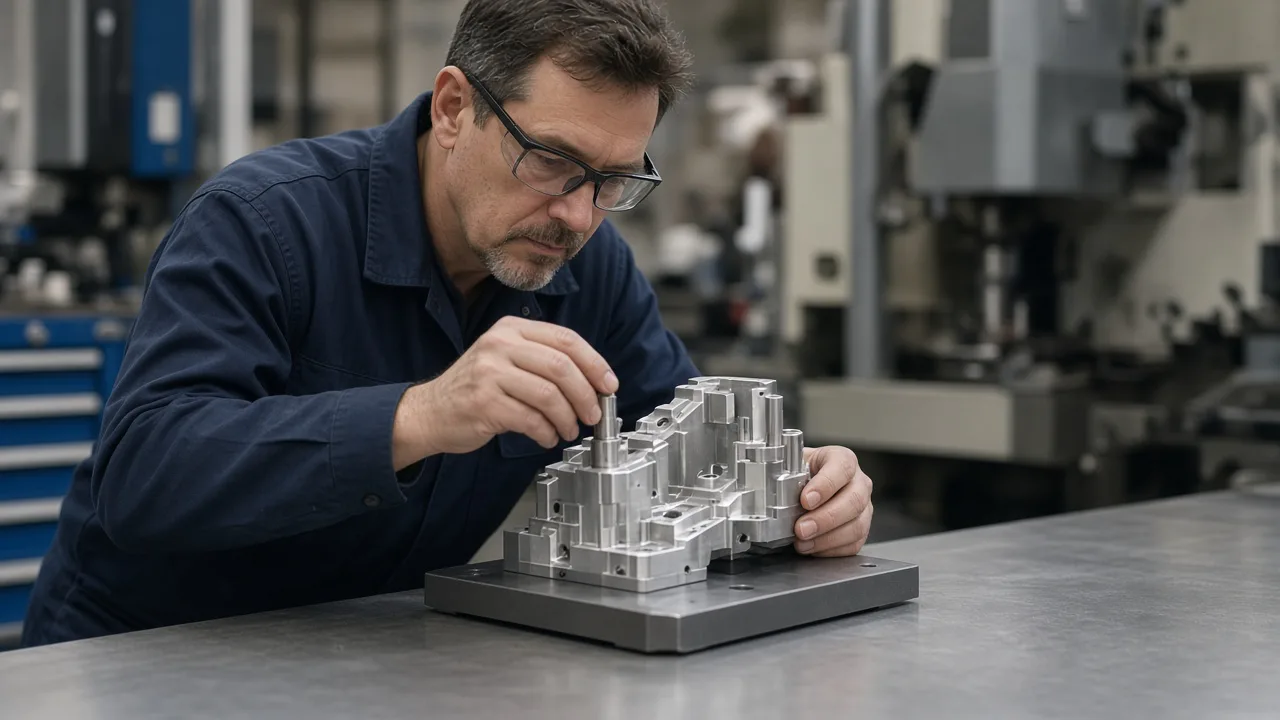
Development and acceptance
Integration with MES reporting: reports are invalid before release. Kanban boards can display “changeover assistance requests.” Steps turn red when overdue, without automatic skipping. Electronic signatures are used for first-piece clearance.
Acceptance:
- Can a changeover begin if tooling hasn’t been scanned and fully assembled
- Should batch production be prohibited if the first piece fails
- If standard procedures are temporarily skipped, should a team leader’s password be required and audit logs kept
- Can actual changeover time deviations from standards be ranked
- Once a product family’s procedure package is upgraded, should the old package be discontinued
The primary goal of digitizing changeovers is to shorten and stabilize line-change times—not just to buy another large screen.
Common pitfalls
Procedures written too broadly: “machine adjustment” as a single step covering half an hour—break it down into observable actions. Only speed is assessed: this leads to missed inspections; first-piece rejection rates must also be considered. Changeovers compete with maintenance for personnel: skill matrices should show who has changeover qualifications, avoiding last-minute staffing.
How to assess effectiveness
Six weeks after launch: monitor average changeover duration, standard deviation of durations, first-piece pass rate, and number of schedule delays caused by changeovers. A declining standard deviation indicates controllable processes—healthier than simply reducing average minutes.
Link kit completeness with planning
When creating a changeover work order, freeze the required tooling list; the tooling management system provides real-time status updates. If parts are missing, the changeover start time automatically shifts later, and the planning module receives “waiting for tooling” as the reason for delay—rather than discovering the issue only when the scheduled time arrives.
When cutting tool life is insufficient, the changeover package may request an early tool replacement. Program versions are linked to product versions, verified via QR codes. Night-shift changeovers must have qualified personnel on duty, with the system verifying skills against the matrix.
During material switching, the old-material cleanup steps must be separately confirmed to prevent mixing. Cleanup photos are attached to the documentation. After mass production begins, sampling frequency can increase for new products, then gradually return to normal once stability is achieved.
How to use time analysis
Use step-level time data to identify bottlenecks—don’t just focus on total time. Separate “waiting” from “operations”: waiting for people, tooling, or quality control counts as waiting, while machine adjustments count as operations. Lean improvements prioritize cutting waiting time.
Changeover dashboards for scheduling: today’s planned changeovers, ongoing ones, and potential delays. Don’t overload operators with too many management charts—they only need to see the next step and standard images.
After integration with production scheduling, simulate “how many more orders could be accepted if the changeover standard deviation dropped by 20%”—use data to drive investment in process standardization, rather than relying on slogans.
Common pitfalls
Only recording total changeover time without breaking down individual steps leaves no basis for improvement. Penalizing only delays without checking kit completeness encourages the line to falsely report completion. First-piece confirmation becomes mere signature‑writing, while mass production still runs under old parameters—the system must link parameter versions to first-piece report numbers.
Multi‑shift factories need unified changeover package versions: daytime shifts revise procedures, while night shifts still use old paper forms. Use the system’s current effective version as the standard, marking printed copies with version numbers and expiration dates.
When external suppliers adjust machines on-site, temporary accounts can only view their own work order steps; adjustment conclusions are recorded as downtime causes, preventing “outsiders making adjustments without anyone keeping track.”
Integration with quality systems
Nonconformities related to changeovers must be traceable to specific steps and operators, rather than vaguely labeled as “human error.” Customer audits should be able to verify standard procedure versions and first-piece records. Training assessments can be tied to procedure packages: those who don’t pass aren’t allowed to receive high‑risk changeover work orders.
Changeover improvement meetings use Pareto charts based on step‑level time consumption, rather than just reporting average changeover times. Improvement measures are closed-looped back into standard procedure packages, forming new versions and preventing verbal promises from going unfulfilled.
Shift handovers and night shifts
When changeovers span shifts, ongoing steps and unresolved items must be documented in the handover record; the incoming shift must scan and confirm before proceeding. Verbal assurances like “almost done” are prohibited. When night shifts lack quality inspectors, first pieces can undergo remote review: photos uploaded, daytime quality inspectors asynchronously approve, while mass production is temporarily suspended or limited according to risk levels.
Equipment side: pre- and post-changeover inspection items (lubrication, safety guards, emergency stops) are linked to the changeover package; failure to complete inspections prevents release. Energy consumption and cycle times are monitored for abnormal fluctuations during the first shift after changeover, helping detect unreset parameters.
Supplier molds entering the factory: mold numbers, maintenance records, and recent repair histories must all be included in the kit; molds overdue for maintenance cannot be scanned into the changeover process. After repairs, a new first piece must be performed, rendering the old first-piece report automatically invalid.
During the initial phase of a new production line, a “coach mode” is permitted: steps can be bypassed but fully audited, with the bypass lifted after two weeks. Excessively high bypass rates indicate that the procedure package doesn’t fit the actual site conditions—revising the package is preferable to permanently granting green lights.
Include changeover time in production scheduling buffers; prioritize standardization for product families with large standard deviations, rather than uniformly extending buffers to mask problems.
Kanban statistics separate “changeover assistance requests” from “quality assistance requests,” preventing misalignment in improvement directions.