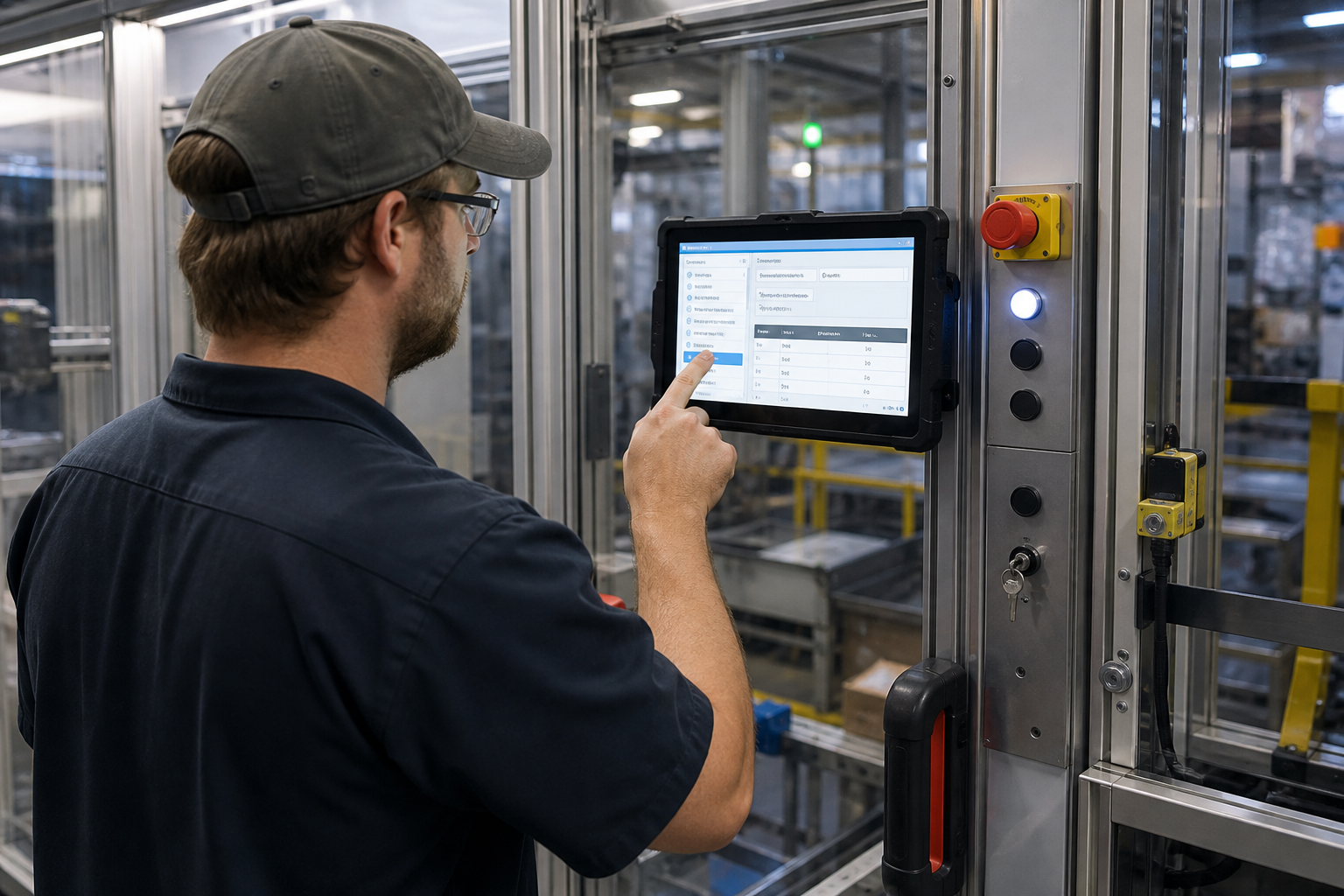
Plants spend on shop-floor boards; a month later they’re wallpaper. Shift leads still read paper, groups, and veterans. They’re not anti-screen—screen numbers don’t help this shift: yesterday’s completion rate, monthly quality, material gaps still need a warehouse call.
Boards must match the shift lead’s day: which work orders this shift, what’s short, which machine is unstable, who covers overtime. Miss those four and the board is for visitors.
Four Things a Shift Lead Handles
Shift open: can the plan still finish? Mid-shift: is the exception spreading? Handover: do open items have owners? Metrics that don’t serve those three beats get ignored. Plant OEE looks great and means nothing actionable.
Shift metrics from “report upward” to “dispatch the shift.” Management roll-ups can climb from shift data; driving the floor from roll-down guarantees nobody looks.

Changes That Reopen the Board
- Show only this-shift orders, shortages, equipment exceptions, handover items—rest in level two.
- Exceptions must one-click open or escalate tickets—view without action equals no view.
- Data older than thirty minutes: show “unavailable,” not fake real-time.
- Five-minute post-shift review: every red has an owner—fix the board, don’t scold people.
The XYN digital intelligence system can configure shift boards for tickets, shortages, and exceptions. Boards get read when they save a warehouse run—not because they’re flashy.