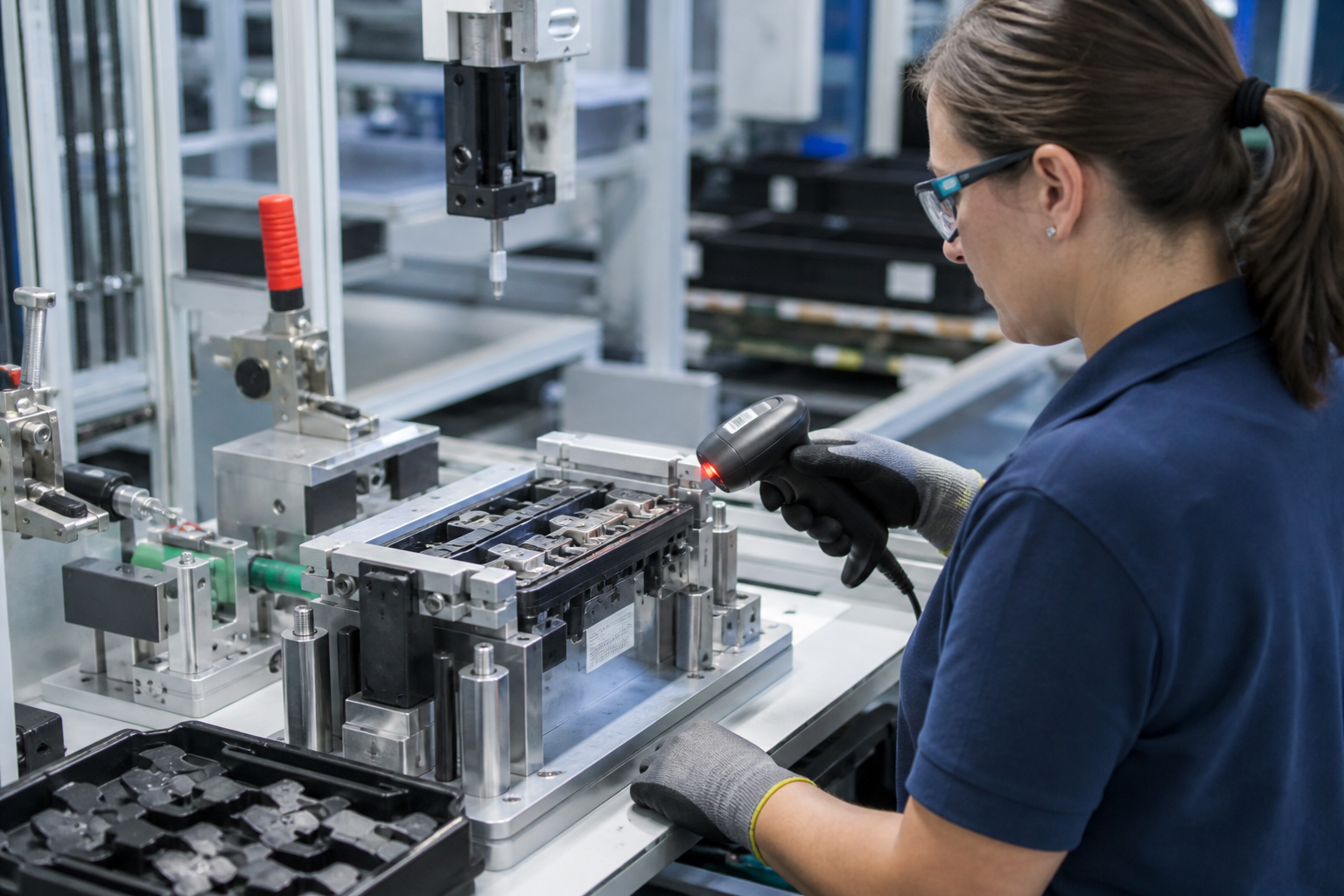
Owners who toured demo lines easily make robots the next step. Vendors happily sell cells. Small plants have fragmented orders, frequent changeovers, and heavy craftsman skill. Robots need stable takt and repeatable input. Change takt and gripper/program time eats profit robots have not saved. Robots are not bad—the job may not be at the automation boundary yet.
Jobs that should not rush to robots are often the tiring ones that are least standard.
Tiring Does Not Mean Automatable
Loading with scattered dimensions and hand-feel positioning means endless vision and fixture tuning. Welding with inconsistent bevels means robots steadily produce a row of defects. Packaging with weekly box changes makes the end line busier than people. Robotizing these shifts process debt to integrator day rates.
Also safety and maintenance—small plants rarely keep dedicated robot engineers. Two-hour downtime costs more than saved labor hours.
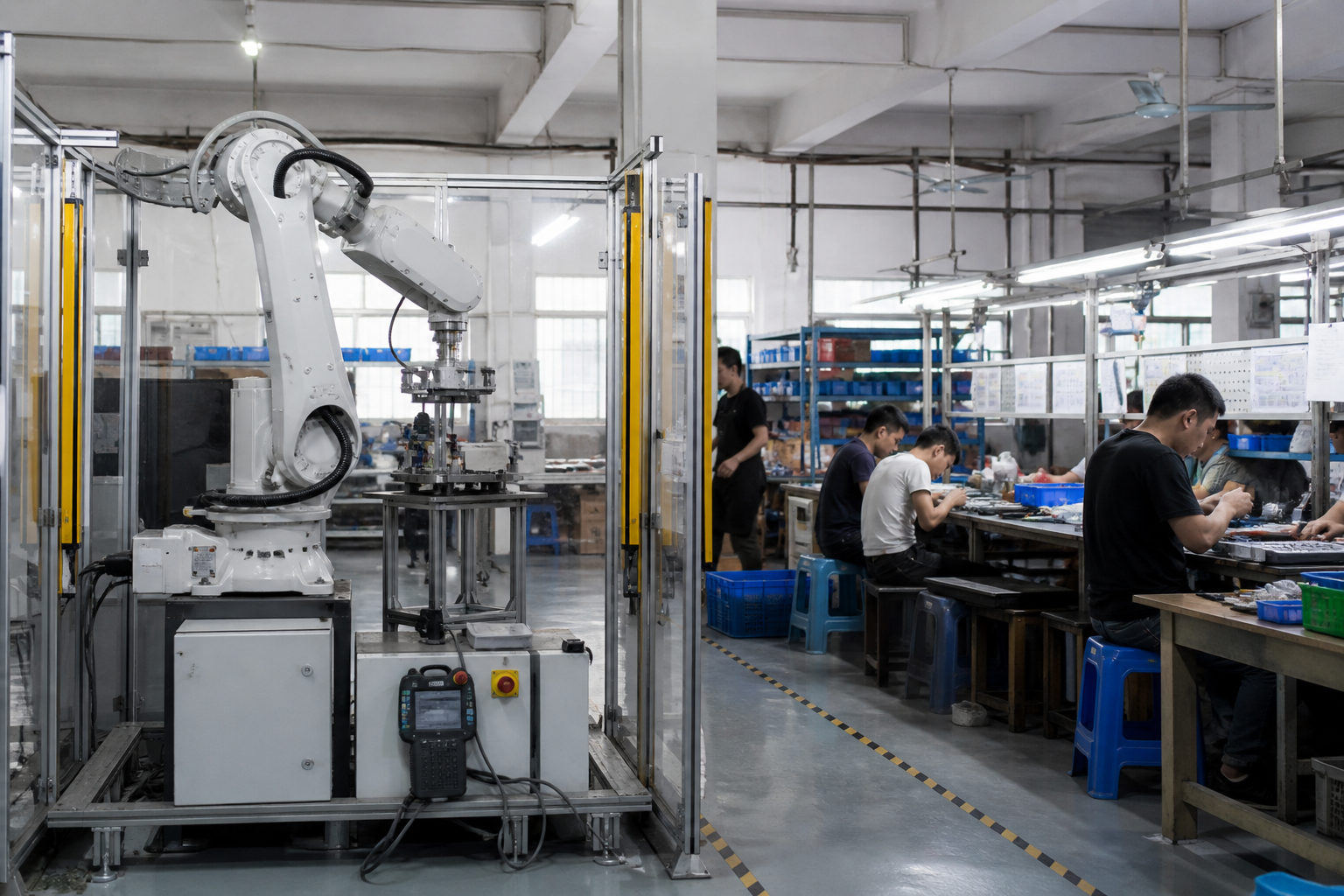
Three Boundary Questions First
- Has the same motion stayed nearly unchanged two weeks running? If not, fix tooling and process before robots.
- Does incoming tolerance fit the fixture? If not, manage suppliers and inspection first.
- Can someone restore operation within an hour on fault? If not, train people before buying arms.
- Often prioritize conveyors, error-proofing, and scanning—not six-axis arms.
The XYN digital intelligence system can make work orders, process, and QC a configurable stability layer. Small-plant automation boundaries expand after stability. Clear boundaries make robots accelerators; unclear ones make robots expensive veteran workers.