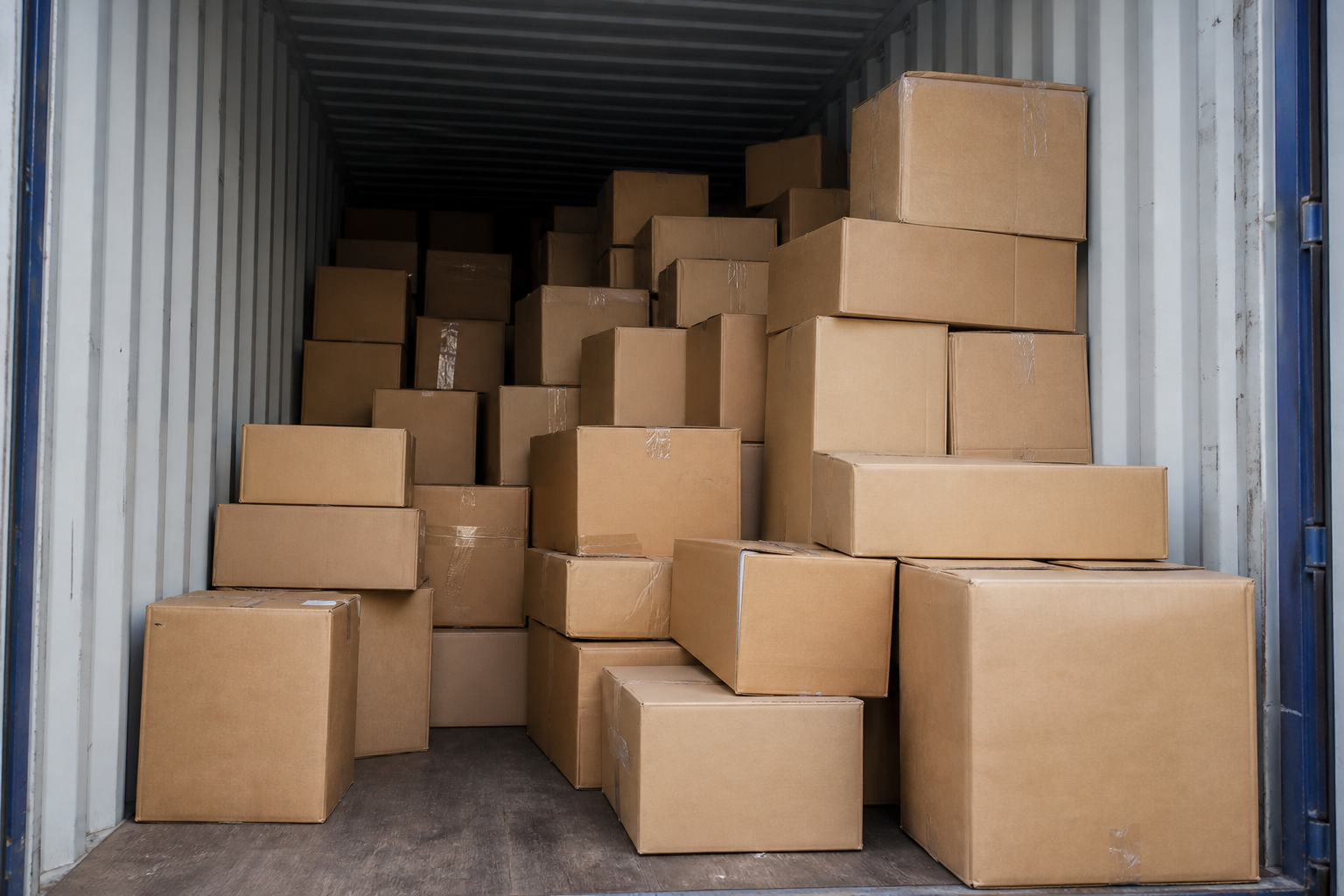
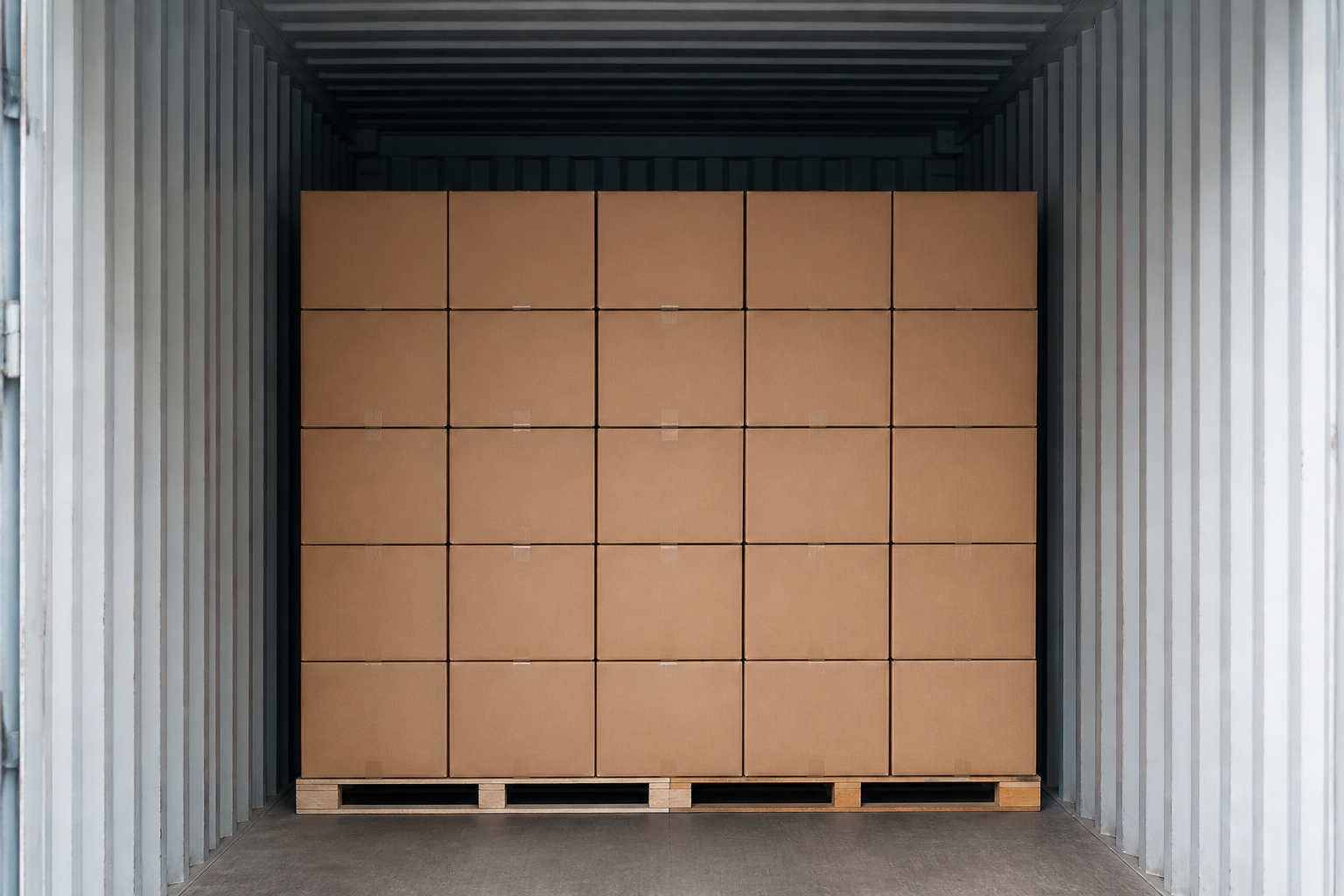
When logistics costs rise, procurement's first move is new carriers and lower unit rates. After rates drop, containers still hold empty space and odd-shaped boxes. Each division picks its own inner cartons, outer cartons, and pallets; loading becomes improvisation on the dock. Improvisation means low loading rates, higher damage, and slow counts.
Optimization often starts with box standardization. Regular boxes make volume calculable, container planning possible, and freight negotiation data-driven.
How Non-Standard Boxes Eat Freight
Same product, three plants, three outer box sizes. Pallet stacks misalign; upper layers stay empty. Ocean freight is per container—empty space is money; LTL by volume, inflated volume is money too. Customer service reconciles "missing cartons" because odd boxes are hard to count.
Packaging affects warehousing. Slots designed for standard boxes choke on oversize cartons—forklifts and racks suffer. Warehouse and transport efficiency fall together, rarely on the same logistics bill.

Standardize Before Negotiating Price
- Converge SKUs to a limited outer box series; new packaging must pass loading and stack review.
- Write volume, gross weight, and stack layers into master data—container planning and freight estimates use the same numbers.
- Tie damage rates to box specs; material savings that raise claims are not optimization.
- Publish loading rate weekly; below threshold, fix packaging and consolidation rules before freight cut meetings.
The XYN digital intelligence system fits box master data and shipment volume as configurable records. Logistics cost drops when boxes become calculable. Uncalculable freight relies on bargaining luck.