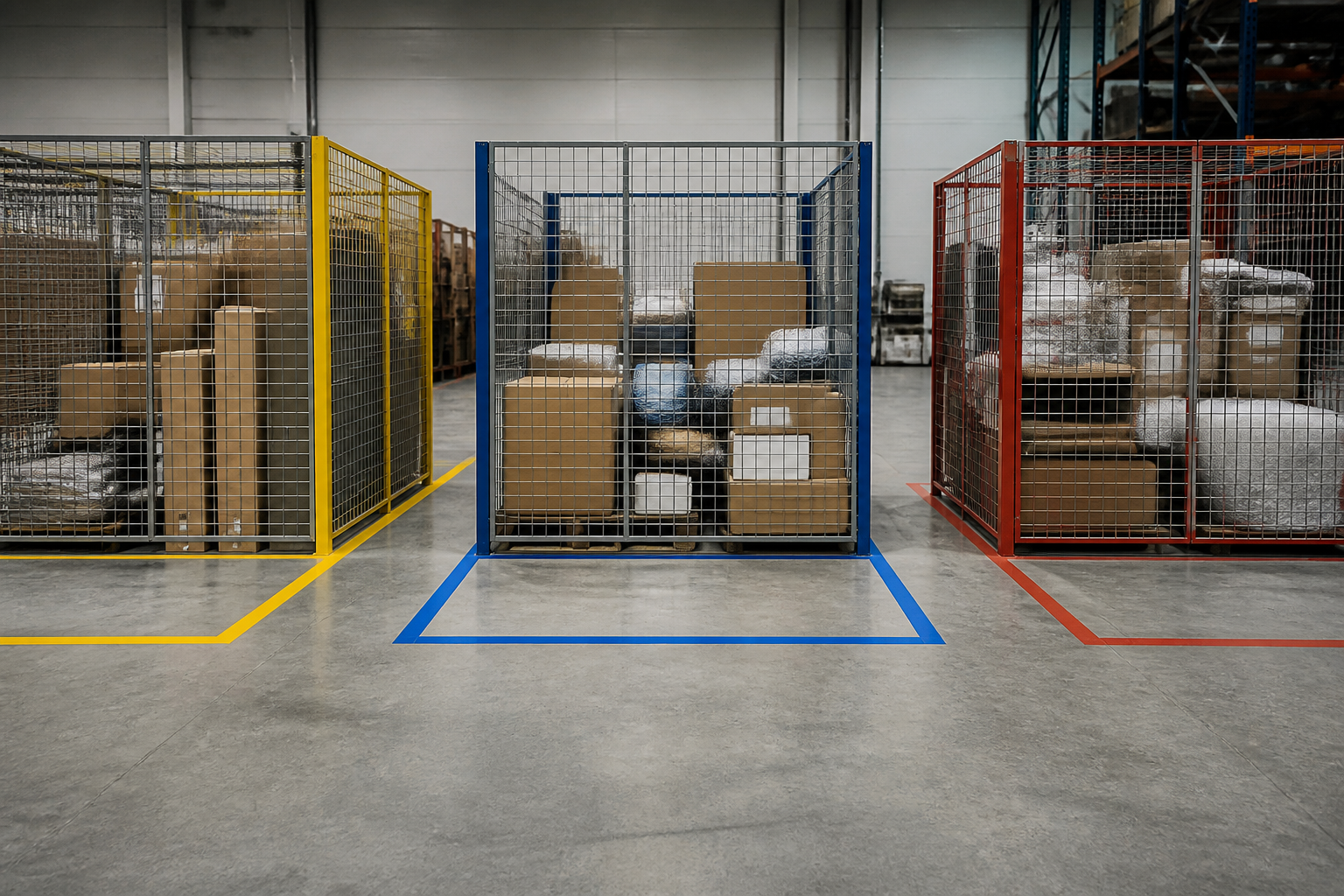
تسعى اللوجستيات الأمامية إلى سرعة الإخراج. وعند وصول المرتجعات، يعتاد المستودع على رصّها أولاً عند المدخل «لإعادة الفرز لاحقاً». وغالباً ما يكون ذلك في الأسبوع التالي. وتُخلط قطع الصيانة التي تنتظر الفحص، والقطع المعيبة التي تقع على عاتق العميل، والقطع القابلة للتجديد وإعادة الاستخدام، جميعها في نفس البليت، بينما يُظهر السجل أنها صالحة للاستخدام. وفي الشحنة التالية قد يتم إرسال المرتجعات كمنتجات جديدة، بينما لا يمكن العثور على القطع التي تحتاج إلى الإصلاح.
اللوجستيات العكسية لا تنتهي بمجرد إعادة البضائع. فهي نظام مخزون مستقل بذاته. وخلط المواقع داخل المخزون يعادل التسبب عمداً في عدم مطابقة السجلات مع الواقع.
كيف يؤدي الخلط بين الأقسام إلى إرباك الاتجاهين معاً؟
يقوم منتقي الطلبات بأخذ البضائع حسب الموقع دون أن يسأل أولاً عما إذا كانت هذه القطعة مرتجعة أم لا. كما أن المالية تستقبل الطلبات بناءً على المخزون القابل للاستخدام دون التحقق أولاً مما إذا كان قسم الجودة قد أجازها أم لا. ويعدّ خدمة العملاء بأن «المرتجعات قد تم استلامها»، بينما يصرّح المستودع بأنها لا تزال في منطقة انتظار الفحص—ومنطقة انتظار الفحص لا تفصلها عن منطقة المنتجات السليمة سوى ممر واحد. والممر ليس حاجزاً فاصلاً.
إذا لم يكن لدى المنتجات القابلة لإعادة التصنيع حالة منفصلة، فلن يكون بالإمكان وضع خطة للتجديد، وستتحول القيمة المتبقية إلى غبار في الزوايا. وعدم عزل القطع المعيبة سيؤدي أيضاً إلى تلوث عينات الفحص العشوائي، وقد تبدأ اجتماعات الجودة بالجدل حول «هل هي مشكلتنا حقاً أم لا؟».

عند دخول المرتجعات، تُقسَّم أولاً إلى ثلاثة مسارات.
- انتظار الفحص بعد البيع: موقع منفصل، ولا يُسمح بإدخالها إلى قسم المبيعات أو الاستلام إلا بعد اكتمال الفحص.
- عزل القطع المعيبة: حتى في حال عدم تحديد المسؤولية، يجب وضع علامة الحالة ومنع استخدام نفس البليت مع المنتجات السليمة.
- المنتجات القابلة لإعادة التصنيع: تُدرج في أمر إعادة العمل، ولا تُعاد إلى مخزون المنتجات السليمة أو إلى مخزون المنتجات القابلة لإعادة التصنيع إلا بعد اكتمال الفحص.
- يتم يومياً تنظيف «انتظار الفحص المتأخر»، وإذا طالت المدة تُرفع الأولوية، ولا يُسمح باستبدال الإجراءات بالتراكم.
نظام XYN الذكي الرقمي مناسب لتحويل عملية المرتجعات، وفحص الجودة، وحالة المواقع إلى إجراءات عكسية قابلة للتخصيص. فإذا فُصلت بشكل واضح، أصبح التسليم الأمامي أكثر استقراراً. أما إذا اختلطت، فسيتباطأ كلا الجانبين.