La stessa vite, in acquisto, ha un nome; in magazzino, un altro; nella distinta base, ancora un altro codice. Sembra che tutto possa essere inserito nel sistema, ma ai fini statistici diventano tre tipi di scorte. Un prodotto con più codici induce l’azienda a ritenere che manchino materiali e a effettuare acquisti ripetuti; un codice per più prodotti fa sì che l’errore nell’assegnazione dei materiali non venga intercettato dal sistema. I problemi di dati anagrafici vengono spesso diagnosticati erroneamente come difetti degli algoritmi di gestione delle scorte.
La prima forza produttiva della catena di approvvigionamento non è avere più magazzini, ma far sì che ogni materiale abbia una sola identità.
Come nasce la confusione?
Acquisti d’emergenza con codici temporanei, numeri di materiale fornitori usati direttamente come codici interni, modifiche alle specifiche senza cambiare il codice ma solo la descrizione, materiali fuori produzione non bloccati. Ognuno, nel tentativo di fare presto, trasforma la tabella dei codici in una discarica.
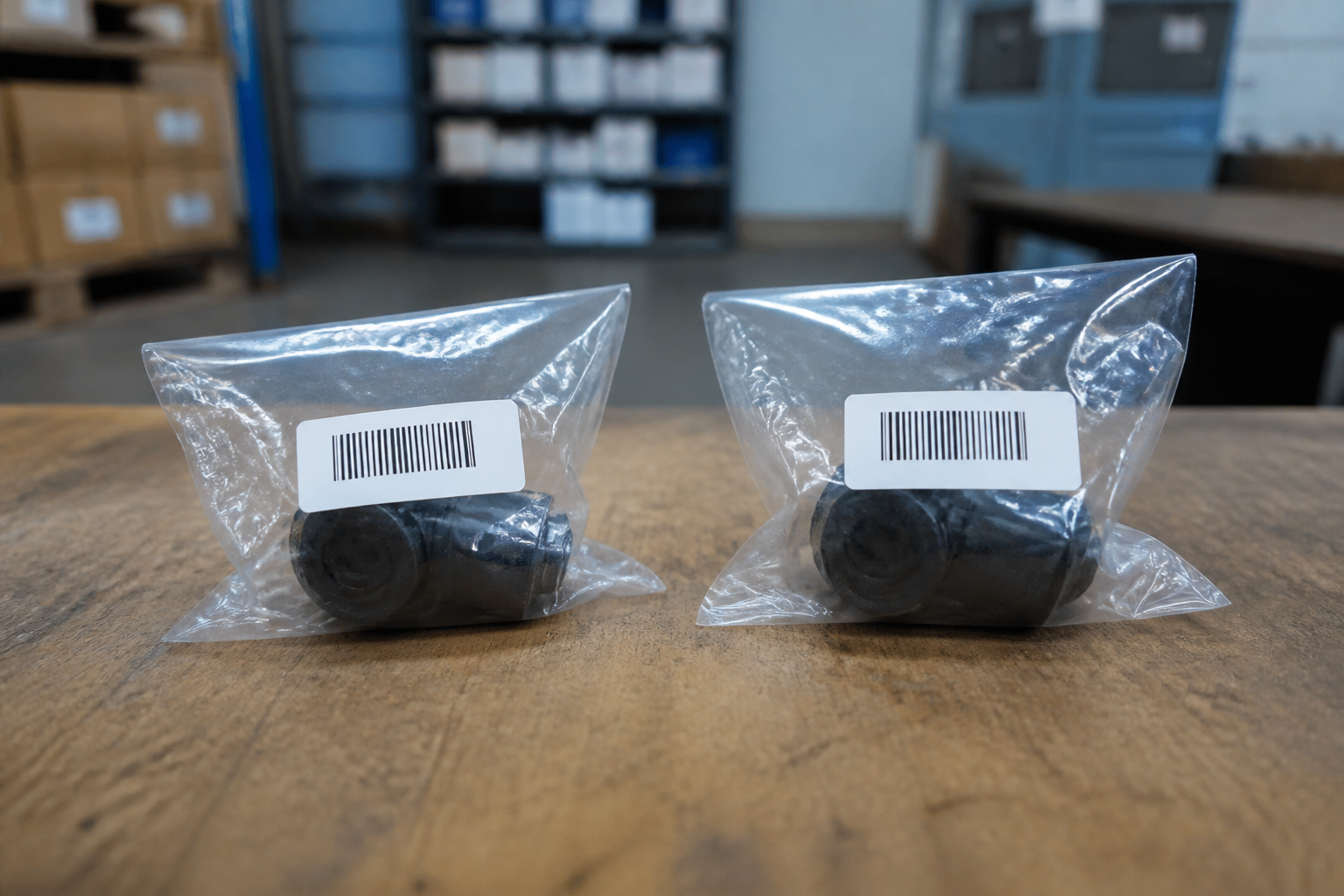
Le regole minime per la governance
- I nuovi materiali devono essere introdotti tramite procedura di richiesta; è vietato che i reparti aprano autonomamente nuovi codici.
- Un prodotto, un codice: quando le specifiche cambiano, si passa a una nuova versione o a un nuovo codice, stabilendo relazioni di sostituzione.
- I codici dismessi non possono più essere utilizzati per nuovi acquisti, ma i documenti storici restano tracciabili.
- Descrizione, numero di disegno e specifiche vanno archiviati separatamente; non va tutto compresso nel campo del nome.

Il sistema digitale di XYN colloca materiali, distinte base, scorte e acquisti sotto un’unica struttura di codifica. La governance dei dati anagrafici non è affascinante, ma determina se tutte le successive collaborazioni saranno affidabili. Prima bisogna assegnare l’identità giusta, poi si può parlare di rifornimento intelligente.